
100 Envelope Savings Challenge FAQ: Pay Off Debt & Build Cash Reserves
Imagine staring at a stack of credit card statements with high interest rates while wishing you had cash tucked away for unexpected car repairs. You want to pay down principal fast, but you also need a cushion so life doesn't push you further into debt.
Yes, you can use the 100 Envelope Challenge for debt payoff by directing your cash proceeds ($5,050 total) toward your debt snowball or avalanche balances. Most savers allocate the first $1,000 to a starter emergency fund and deposit the remaining $4,050 directly onto high-interest credit card debt to eliminate principal quickly.
Choosing Your Debt Payoff & Cash Reserve Allocation Strategy
Choose an envelope allocation strategy based on your current high-interest debt load and existing liquid cash reserves.
Best choice for
- Hybrid Starter Reserve Split ($1,000 Reserve / $4,050 Debt Snowball) — Prevents surprise life events from forcing you to charge credit cards again, while aggressively knocking out toxic interest.
- 100% Cash Reserve Build ($5,050 Emergency Reserve) — Protects your household stability first, as low-rate debt is far less urgent than having zero cash during an unexpected emergency.
- 100% Debt Acceleration ($5,050 to Debt Snowball) — Knocks out smaller debt balances rapidly, freeing up monthly cash flow and building psychological momentum.
- You currently struggle to make baseline minimum monthly payments across your credit cards or loans.
- Digital Budgeting Apps — Lacks the tactile friction and visual feedback of physical cash envelope stuffing that curbs impulse spending.
Pro Tip: Managing Online Debt Payments with Physical Cash Envelopes

Photo by https://kaboompics.com/ on Pexels
A common dilemma for cash envelope budgeters is paying off online debt balances like credit cards or store cards with physical bills.
To bridge the gap between physical cash and digital debt payments seamlessly:
Never leave cash sitting in checking without making the payment right away—transferring it immediately prevents accidental spending!
100 Envelope Allocation Matrix: Debt Payoff vs. Emergency Fund
| Allocation Strategy | Emergency Reserve Yield | Debt Payoff Yield | Best Real-World Scenario | Debt Payoff Speed |
| --- | --- | --- | --- | --- |
| Starter Reserve + Debt Snowball | $1,035 (Envelopes #1–45) | $4,015 (Envelopes #46–100) | High-interest credit cards with under $1k cash cushion | Fast (Knocks out major principal balance) |
| 50/50 Balanced Hybrid | $2,525 (Odd Envelopes) | $2,525 (Even Envelopes) | Moderate-interest debt needing balanced liquidity | Moderate (Steady principal reduction) |
| 100% Debt Acceleration | $0 (External reserve exists) | $5,050 (All Envelopes 1–100) | Existing emergency fund, tackling high credit card APR | Maximum Speed (Direct $5,050 principal hit) |
| 100% Reserve First | $5,050 (All Envelopes 1–100) | $0 (Maintain minimums only) | Unstable income or low-rate student/car loans (<5%) | Baseline (Minimum debt payments maintained) |
Compare how your $5,050 envelope total can be divided between cash reserves and debt principal reduction depending on your financial priorities.
Debt Payoff vs. Cash Reserve Envelope Flowchart
- 1. Do you currently have a liquid $1,000 emergency fund in a bank account? → Yes: Proceed to Question 2.. No: Direct cash from Envelopes #1–45 into your binder's starter cash reserve before making extra debt payments.
- 2. Is your highest debt interest rate (APR) greater than 10%? → Yes: Proceed to Question 3.. No: Complete the full $5,050 challenge as a core 3-month cash reserve while keeping up with standard minimum payments.
- 3. Do you have multiple credit card balances under $1,500? → Yes: Apply accumulated envelope deposits directly to your smallest balance (Debt Snowball Method) for quick wins.. No: Apply accumulated envelope deposits to your highest APR card balance (Debt Avalanche Method) to eliminate interest.
Essential Tool: The A5 100 Envelope Challenge Binder
Ready to turn debt payoff into an engaging, tactile victory for your household? The 100 Envelope Challenge Binder provides the exact physical organization you need to track every dollar until you reach your $5,050 goal.
- Durable & Scratch-Resistant: Crafted from premium PU leather that is neatly stitched and soft to the touch.
- Waterproof Cash Protection: Transparent, waterproof pouches labeled 1–100 keep cash, bills, and receipts safe from dust and spills.
- Reusable Tracking: Includes a laminated dry-erase tracker so you can reset and reuse the challenge for future financial goals.
- Compact A5 Size: Measures 9 inches tall by 7 inches wide, making it easy to store securely in a lockbox or home safe.
Key Takeaways: Mastering Debt Elimination with Envelope Saving
- Secure Your Starter Cushion First: Build a $1,000 emergency fund (Envelopes #1–45) before making extra principal debt payments so unexpected expenses don't create new debt.
- Target High-Interest Credit Cards: Debts with interest rates over 15% APR should receive your envelope funds immediately after securing your starter emergency reserve.
- Establish a Bank Deposit Routine: Deposit cash bi-weekly or monthly, and immediately submit digital debt payments so money doesn't sit idle in checking.
- Combine with the Debt Snowball: Use envelope yields to wipe out small balances first, creating momentum and freeing up monthly budget cash flow.
- Keep Home Cash Safe: Store your binder in a fireproof lockbox or home safe and keep your reusable tracker updated after every stuffing session.
Home Cash Safety & Banking Deposit Checklist
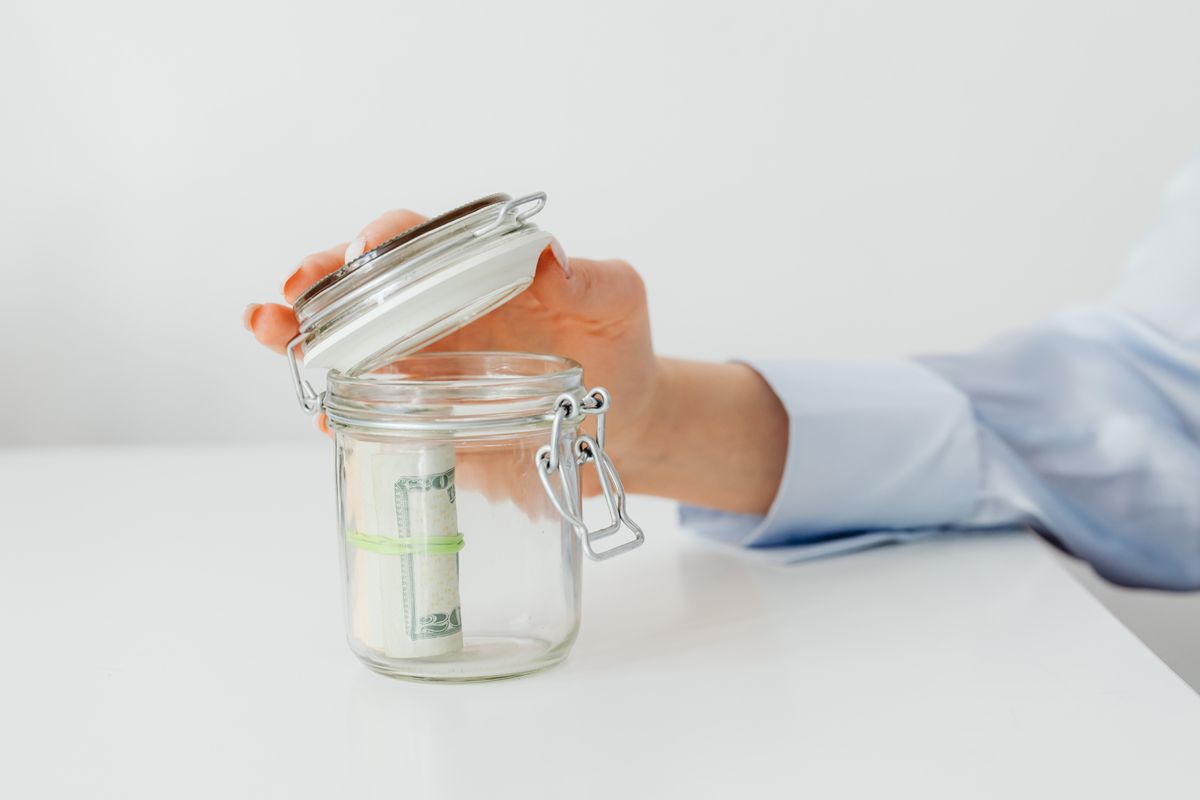
Photo by https://kaboompics.com/ on Pexels
- Store your A5 budget binder in a fireproof lockbox or hidden home safe when not actively stuffing.
- Log filled envelope numbers on your laminated reusable tracker immediately with a dry-erase marker.
- Set up a bi-weekly or monthly bank deposit routine to transfer accumulated cash into checking.
- Submit online debt payments immediately upon making bank deposits to ensure cash goes directly to principal balance.
Common Pitfalls to Avoid When Using Envelopes for Debt
Stay on track toward financial freedom by avoiding these real-world budgeting traps:
Skipping Minimum Monthly Payments: Never pause your required minimum payments on credit cards or loans while filling cash envelopes. Envelope savings should strictly fund extra* principal payments.
- Leaving Cash Unrecorded: Stuffing envelopes without instantly marking your laminated tracker makes it hard to remember your total accumulated cash, increasing the temptation to borrow from envelopes for everyday spending.
- Delaying Online Transfers: Depositing envelope cash into your checking account but waiting days to make the credit card payment often leads to that money being eaten up by routine debit card transactions.
Frequently Asked Questions: 100 Envelope Challenge for Debt Payoff
Get direct answers to the most common questions about combining tactile cash envelope budgeting with digital debt reduction.
Your Action Plan to Start Paying Off Debt Today
Your decision: Determine your emergency reserve target ($1,000 starter vs full reserve) and pick your envelope allocation model.
Do this next: Order your A5 100 Envelope Challenge Binder, set a weekly cash deposit schedule with your bank, and start filling envelope #1.
Related resource: Goal-Oriented Saving: Emergency Funds, Debt Payoff & Dream Vacations
100 Envelope Challenge Binder (A5 PU Leather with Laminated Tracker) — https://envelopeschallenge.com
Taking control of your money doesn't have to feel overwhelming. By turning your savings and debt elimination into a visual, tactile challenge, you build real momentum every time you seal an envelope.