Do A5 Savings Binder Inserts Fit the 100 Envelope Binder?
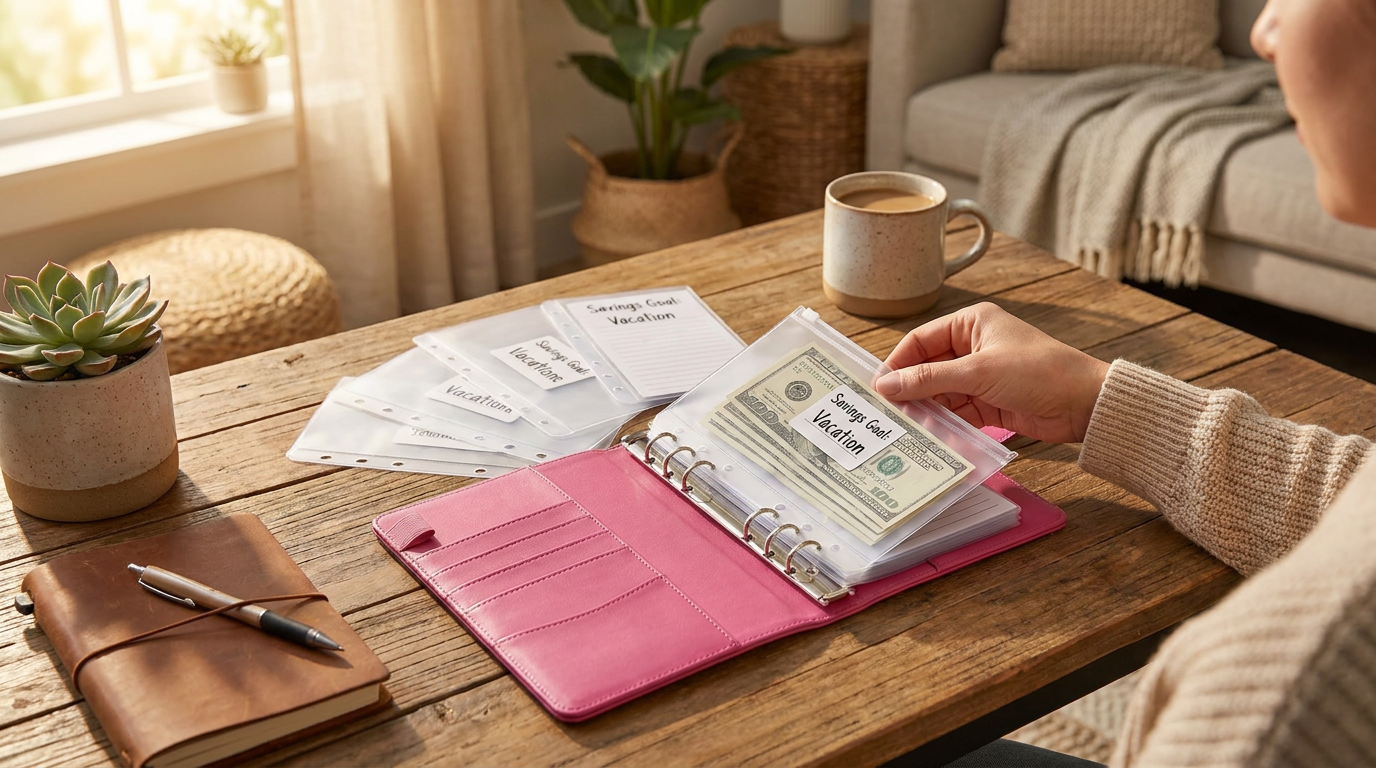
May 13, 2026 — Standard A5 savings binder inserts generally utilize a universal 6-hole punch pattern that allows them to integrate seamlessly into the [100 Envelope Challenge Binder](/blog/improving-cash-savings-100-envelope-challenge-binder) system, provided they maintain the 148mm x 210mm footprint.
Budgeting enthusiasts and cash-stuffing practitioners often seek these inserts to augment their existing savings frameworks with granular tracking capabilities. As the 100 Envelope Challenge Binder gains traction for lump-sum savings, adding specialized paper or PVC inserts helps users manage specific sinking funds alongside primary goals.
What are the standard dimensions for A5 savings binder inserts?
Standard A5 savings binder inserts measure exactly 148mm x 210mm (approximately 5.8" x 8.3") and feature a 6-hole configuration for universal ring mechanisms. According to product specifications from Crossbow Planner Co, these pages are typically printed front and back and engineered for standard 6-ring binders in the A5 format. This sizing ensures users can swap trackers or add ledger sheets without the pages protruding from binder edges.
While the 100 Envelope Challenge Binder is goal-oriented, the A5 format is the industry standard for portability. Erin Condren reports that their A5 ring agenda inserts utilize 80 lb. text weight paper, providing the durability needed for frequent handling during weekly cash stuffing. This weight prevents holes from tearing under heavy-duty use. Once the inserts fit, the layout decides whether the binder gets used weekly or abandoned by March. The arrangement that survives contact with real life puts the active challenge envelopes in the front third — the section touched every week — followed by the tracker pages that get marked at each deposit, with sinking-fund pockets and reference sheets at the back. Tab dividers between sections repay their tiny cost every single session, because a binder that requires flipping to find this week's envelope adds friction to a habit that lives or dies on friction. The companion ritual is a monthly reset: ten minutes at month-end to mark completed envelopes, update the tracker totals, and — this is the motivational engine — look at the filled-in pages accumulating. Savers who report finishing challenges almost universally describe some version of this visible-progress loop, while abandoned binders are usually structurally sound and organizationally chaotic.
Can A5 inserts be used for different savings challenges?

Photo by Towfiqu barbhuiya on Pexels
Yes, A5 inserts allow for the customization of a 100 Envelope Challenge Binder into a multi-functional financial hub by adding trackers like 52-week or sinking fund ledgers. Retailers such as 8Lotus offer finance and budget planner inserts that enable users to customize their setup beyond the initial 100-envelope goal. This modularity means one binder can house primary challenge envelopes while tracking monthly bills or long-term debt repayment progress.
Market trends on Etsy highlight demand for vegan leather A5 binders that combine these inserts with aesthetic appeal. By utilizing the 6-hole punch standard, the 100 Envelope Challenge Binder accommodates third-party refills, letting users transition to a comprehensive management system. This versatility drives interest in savings challenge binder sets, as consumers prioritize tools that grow with their financial journey. A word about the cash itself, because a binder system's biggest risk is not a missed week — it is the physical money. The binder should live somewhere fixed and discreet at home: not in a car (where it is one break-in from zero), not in a bag that commutes, and not on the coffee table during gatherings. As the challenge progresses and the total grows meaningful, adopt a skim cadence: when the binder's contents pass an amount you would genuinely mourn — a threshold worth setting deliberately, often a few hundred dollars — deposit the bulk into the savings account and note the transfer on the tracker page, keeping only the active envelopes in paper. The tracker preserves every bit of the visual momentum; the bank preserves the money against fire, loss, and the uncomfortable fact that homeowner policies cap cash reimbursement at small amounts. The binder is the engine of the habit, not the vault for its output — systems that treat it as both eventually learn the difference the hard way.
Quick answers
Q: What is the exact hole spacing for A5 binder inserts? A: Standard A5 inserts use a 6-hole punch pattern typically grouped into two sets of three, spaced to fit the 19mm-19mm-51mm-19mm-19mm configuration found in A5 ring binders.
Q: Will Erin Condren A5 inserts fit the 100 Envelope Challenge Binder? A: Yes, Erin Condren A5 ring agenda inserts are designed for standard 6-ring punches and measure 5.8" x 8.3", making them compatible with most A5-sized challenge binders.
Q: What paper weight is recommended for budget binder refills? A: A weight of at least 80 lb. text weight or 120 gsm is recommended to withstand frequent page-turning associated with tracking savings contributions.
Q: Are PVC envelopes considered A5 inserts? A: Yes, many 100 Envelope Challenge Binder kits include A5-sized PVC zipper pockets, which share the same 148mm x 210mm dimensions and hole-punching as paper inserts.
Learn more about 100 Envelope Challenge Binder at https://envelopeschallenge.com.
Printing your own inserts versus buying them
The insert economy has a DIY lane worth knowing about. Printable A5 templates — sold cheaply on digital marketplaces or free from budgeting communities — cost a fraction of pre-printed packs and offer layouts no retailer stocks, from niche challenge variants to trackers matched to your exact pay schedule. The equipment barrier is modest: a home printer, paper in the 120 gsm neighborhood (standard 80 gsm copy paper tears at the rings within weeks of real handling), and an adjustable 6-hole punch, a one-time purchase that pays for itself within a few printed sets. Print two pages per A4/letter sheet and trim, or buy pre-cut A5 stock to skip the cutting entirely.
The hybrid approach serves most people best: buy the structural pieces that reward manufacturing quality — the PVC zipper envelopes that hold actual cash, laminated dashboard pages — and print the consumable tracker pages you will fill, finish, and archive. High-touch pages that get handled every week (the master tracker, the current month) can be laminated or slipped into a page protector; everything else is cheap enough printed that redesigning your system mid-year costs pocket change instead of a new kit.
Sources

Photo by cottonbro studio on Pexels