
Rethinking Low Income Savings: The Payday 'Binge' Method
The standard advice for low-income savings is to find spare change daily. But what if that’s the wrong approach? Our data shows the most successful low-income savers don't save daily; they 'binge-save' on paydays, tackling multiple goals at once. This method rejects the stress of scrounging for dollars and instead aligns your savings with your actual cash flow, turning a chore into a powerful financial ritual.
Align Your Savings with Peak Cash Flow
Trying to save money when your account is at its lowest, right before payday, creates unnecessary anxiety. The 'binge-save' method flips the script. You save when you have the most capacity—the day your paycheck hits. This strategy is a practical application of the "pay yourself first" principle, a cornerstone of personal finance recommended by institutions like the Consumer Financial Protection Bureau.
Instead of hunting for $2 on a Tuesday, you intentionally set aside a larger, predetermined amount on Friday. This removes the daily pressure and decision fatigue. You make one powerful choice twice a month, rather than 30 small, stressful ones.
Accelerate Progress with 'Binge' Stuffing

Photo by https://kaboompics.com/ on Pexels
One of the biggest hurdles in any savings challenge is staying motivated. Daily micro-savings offer slow, incremental progress that can feel discouraging. The payday 'binge' method delivers a significant motivational boost by creating visible, immediate results. When you get paid, you can grab your 100 Envelope Challenge Binder and knock out several envelopes at once—perhaps stuffing the $5, $10, and $20 envelopes in a single session.
This accelerates your journey and provides a powerful dopamine hit. Seeing multiple pockets filled in your money saving binder with trackers reinforces your commitment. It proves you are making substantial headway, transforming your binder from a slow-burn project into a record of decisive financial wins. This is a fantastic way of customizing your approach for motivation.
Build a Powerful Habit, Not a Daily Chore
Habits are built on consistent loops, and a bi-monthly payday ritual is far easier to maintain than a fragile daily one. By scheduling your savings, you transform it into a non-negotiable part of your payday routine: bills get paid, groceries are bought, and savings envelopes get stuffed. It becomes a systematic action, not an afterthought.
This structured approach is especially effective for critical goals, like building an emergency fund binder system. Instead of hoping you have money left over, you are building your safety net with intention and purpose. This powerful, recurring habit provides a sense of control and is one of the most effective low income savings challenge ideas for creating lasting financial stability.
How much should I 'binge-save' on payday?
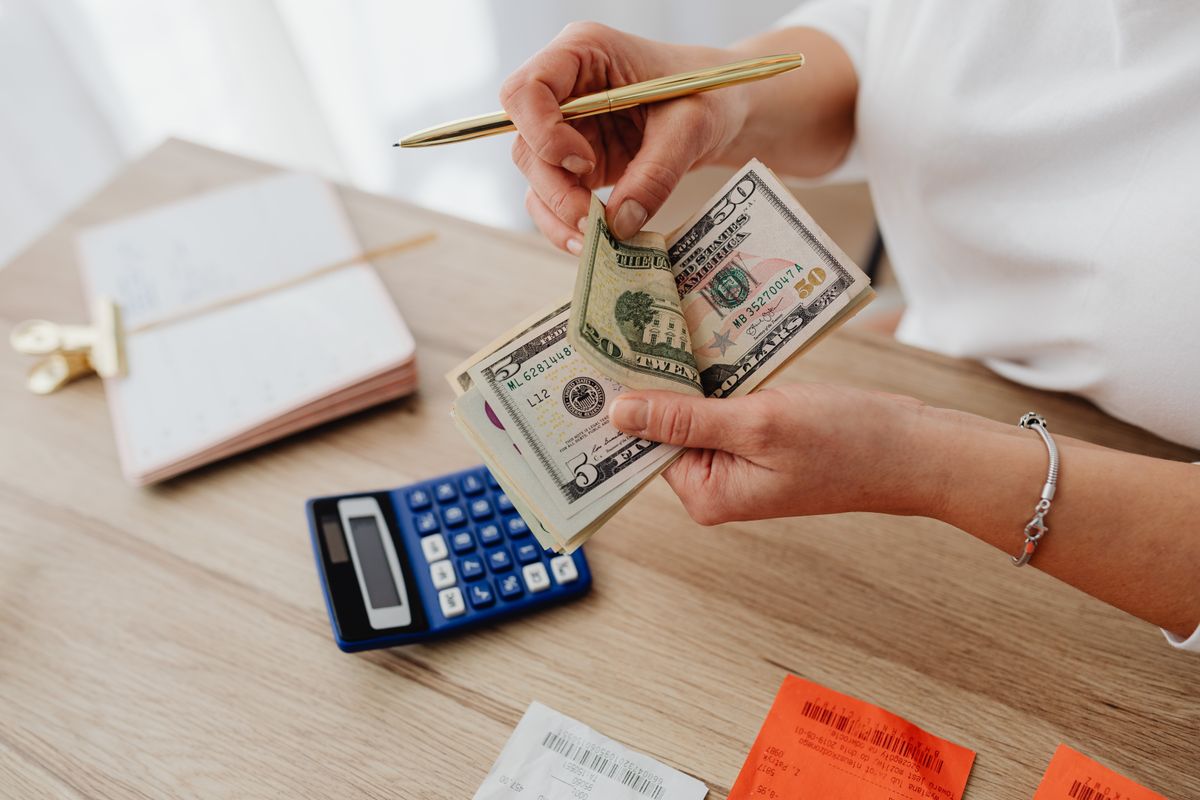
Photo by https://kaboompics.com/ on Pexels
There is no magic number. The key is to decide on an amount before you get paid. Look at your budget and determine a realistic figure you can commit to each paycheck, whether it's $50, $100, or a specific percentage of your income after essential bills. This amount is what you'll use to stuff multiple envelopes in your challenge binder.
Can this method work with other savings challenges?
Absolutely. The 'binge-save' method is a funding strategy, not a specific challenge. It works perfectly for the 100 Envelope Challenge, the 52-Week Challenge, or any goal-based savings plan. Instead of funding one week or one envelope at a time, you simply use your payday savings to fund several at once, accelerating your progress within your chosen framework.