
100 Envelope Challenge FAQ: Math, Rules & Schedules Answered
Imagine pulling two envelope numbers each week and watching your savings quietly stack up to $5,050 in under a year. The 100 Envelope Challenge involves labeling 100 envelopes from $1 to $100 and stuffing each with its exact dollar amount. Completing all 100 envelopes yields exactly $5,050, offering a tactile, highly visual method to build an emergency fund or pay off debt.
Which 100 Envelope Rule Adaptation Is Right for You?
Choose your 100 Envelope Challenge variation based on income predictability, budget cushion, and timeline goals.
Best choice for
- Traditional Random Draw (1-100) — Yields $5,050 in 50 weeks when pulling 2 random envelopes weekly.
- High-Low Pairing Strategy — Pairs one high envelope ($80-$100) with one low envelope ($1-$20) each pay period to maintain balanced out-of-pocket cash needs.
- Capped $50 Maximum Challenge — Caps maximum single envelope deposit at $50, making total savings ($2,550) achievable without financial strain.
- You do not have a secure, locked home location or regular bank deposit routine for physical cash.
- Your monthly living expenses exceed your net income, making cash withdrawals risky for essential bills.
- Digital High-Yield Savings Account (HYSA) Sub-Accounts — Best if physical cash safety is a concern, though lacks the tactile reinforcement of cash stuffing.
- 52-Week Incremental Challenge — Saves $1,378 with smaller weekly increases ($1 in week 1, $52 in week 52).
Pro Tip: Managing High-Number Envelopes Without Budget Shock
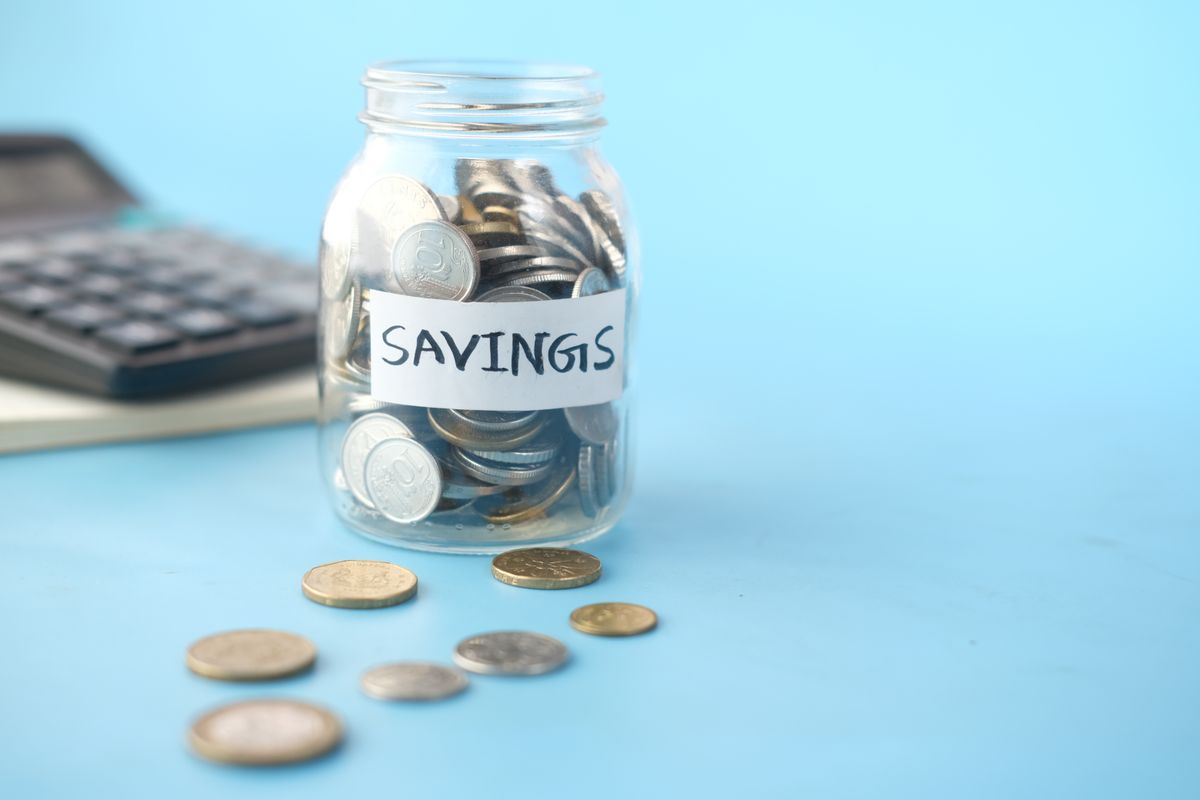
Photo by Towfiqu barbhuiya on Pexels
> Coach's Advice: When drawing randomly, hitting envelope #98 and envelope #94 in the same week can strain your cash flow. To avoid budget fatigue, use a High-Low Swap Rule: whenever you draw an envelope over $50, pair it with an envelope under $20. If an unexpected expense arises—like a car repair or medical bill—swap your drawn high envelope for envelope #1 or #2. Consistency matters far more than the speed at which you reach high numbers!
Interactive Tool: 100 Envelope Challenge Pacing Calculator
Use this pacing model to see how modifying your drawing frequency or capping your envelope amount changes your timeline and total savings output.
Decision Tree: Finding Your Ideal Savings Pace
- What is your pay frequency and weekly budget flexibility? → Yes: If weekly with $100+ flexible cash -> Go to Traditional 1-100 Random Draw. No: If bi-weekly or tight budget -> Go to High-Low Pairing or Capped $50 Draw
- Are you saving as a family with children? → Yes: Use Micro-Increments ($0.50-$5) or Kid-Friendly $1-$20 Envelope Subsets. No: Stick to your selected personal income strategy
Rule Variations & Total Savings Breakdown
| Method Variation | Envelope Dollar Range | Timeframe / Pace | Total Saved | Best Suited For |
| --- | --- | --- | --- | --- |
| Traditional 100 Envelope | $1 to $100 | 2 Envelopes / Week (50 Wks) | $5,050 | Consistent income with $100/wk buffer |
| Capped $50 Max Challenge | $1 to $50 (Two Sets) | 2 Envelopes / Week (50 Wks) | $2,550 | Tight budgets or lower-income scenarios |
| High-Low Paired Draw | 1 High ($51-$100) + 1 Low ($1-$50) | 2 Envelopes / Paycheck | $5,050 | Bi-weekly paychecks needing predictable draws |
| Micro Savings (Kids/Family) | $0.50 to $20.00 | 1-2 Envelopes / Week | $250 - $1,000 | Teaching children financial literacy & math |
Compare the traditional $5,050 formula with popular modified rules side-by-side to find the right balance between weekly outlay and long-term targets.
Ready to Start? Organize Your Cash Today
Your decision: Decide on your challenge variation (Traditional 1-100 or Capped/Bi-Weekly) based on your budget.
Do this next: Get an A5 Budget Binder with 1-100 pre-labeled waterproof pouches to keep cash organized and protected.
Related resource: Download our free printable PDF tracker to color in envelopes as you stuff them.
100 Envelope Challenge Binder
Stop fighting with loose paper envelopes that rip or spill coins. Upgrade your savings system with an organized binder designed specifically for this challenge.
The Ideal Tool: A5 100 Envelope Savings Challenge Binder
Organizing $5,050 in cash across 100 paper envelopes can quickly become messy. The Budget Binder Book A5 100 Envelope Challenge Binder simplifies your journey from day one.
- Durable & Stylish Cover: Crafted from scratch-resistant, neatly stitched PU leather that feels premium to the touch and holds up to daily handling.
- 100 Clear Waterproof Pouches: Transparent PVC sleeves pre-numbered from 1 to 100 protect your cash, coins, bills, and receipts from water, dust, and tears.
- Laminated Reusable Tracker: Color in your progress with a dry-erase marker as you stuff each pouch, then wipe it clean to start your next challenge goal!
- Compact A5 Size: Measures 9 inches tall by 7 inches wide—perfect for storing discreetly in a home safe, drawer, or shelf.
Key Principles for Challenge Success

Photo by https://kaboompics.com/ on Pexels
- Mathematical Precision: The sum of numbers 1 through 100 equals $5,050 ($1 + $2 + ... + $100).
- Adaptability Over Rigidity: Modify envelope limits or draw intervals whenever your monthly finances shift.
- Smart Cash Security: Keep a safe operating threshold ($300–$500) in your physical binder, and periodically transfer larger sums to an FDIC-insured bank account or High-Yield Savings Account (HYSA).
- Tactile Engagement: Physically handling bills builds mindfulness around impulse spending and makes saving visual for the whole family.
Pre-Challenge Setup Checklist
- Set a clear financial goal for the savings total (e.g., emergency fund, vacation, debt payoff).
- Acquire an A5 PU leather budget binder with 1-100 transparent waterproof pouches and reusable tracker.
- Establish a safe, private location at home for binder storage between cash stuffings.
- Set up a monthly or bi-weekly bank withdrawal routine to keep cash on hand without extra ATM fees.
- Decide on your drawing strategy (Random Draw, High-Low Pair, or Paycheck Match).
4 Common 100 Envelope Challenge Pitfalls to Avoid
Comprehensive 100 Envelope Challenge FAQs
Answers to the most common questions regarding math, schedules, cash safety, low-income adjustments, and family budgeting.
Continue Your Cash Stuffing Journey
Explore additional guides to deepen your financial literacy and master money management:
- Cash Stuffing & Envelope Budgeting Foundations: A beginner-friendly walkthrough for organizing monthly cash envelopes.
- Family Savings Guide: How to turn saving money into an engaging weekend game for children and teenagers.
- Building an Emergency Fund: Step-by-step strategies for storing your first $5,000 safety net.
Take the Next Step Toward Your $5,050 Savings Goal
Your decision: Ready to take control of your savings in a fun, visual way?
Do this next: Order your A5 Budget Binder with 1-100 waterproof pouches from envelopeschallenge.com and start stuffing your first envelope today!
Related resource: Use our 100 Envelope Challenge Pacing Calculator to plan your weekly contributions.
100 Envelope Challenge Binder (Color)
Transform money management from a stressful chore into a rewarding daily habit. With an A5 PU Leather Budget Binder, clear waterproof pouches, and a laminated tracker, achieving your financial goals is clear, fun, and completely organized.
Cover photo by https://kaboompics.com/ on Pexels.