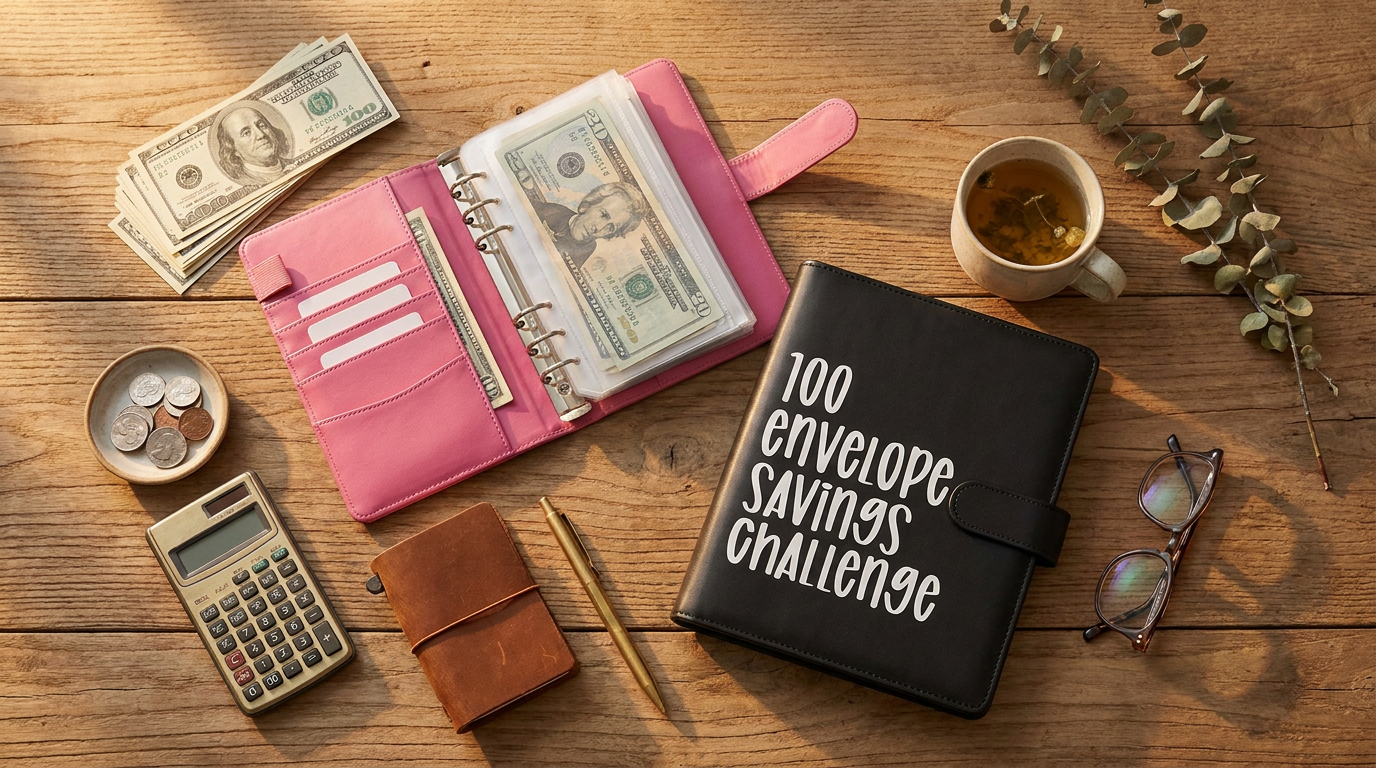
Choosing a 100 Envelope Challenge Binder for Cash Savings
July 14, 2026. This guide examines the structural differences and utility of various 100 Envelope Challenge Binder options available for cash-based budgeting. It is written for consumers who need a tangible, high-repetition system to build their savings habit without relying on digital apps.
The Psychology of Tangible Cash Stuffing Systems
Most people struggle with savings because digital transactions feel invisible. When money moves from a checking account to a savings account via an app, there is no tactile feedback, making it easy to ignore the progress—or the lack thereof. This is where the 100 Envelope Challenge Binder fills a gap. It converts an abstract financial goal into a physical task. According to Peter Pauper Press, using a sturdy 6-ring binder with pre-numbered envelopes allows users to track specific milestones, such as saving $1,020 or $5,050, through reusable trackers. This physical interaction is the core of the money saving binder challenge, where the act of placing a bill into a numbered slot provides a dopamine hit that digital banking lacks.
I have seen many people attempt this with just a cardboard box, but the lack of organization usually leads to abandoned goals. A binder provides a categorized, sequential view of your progress. If you are working on an emergency fund savings challenge, seeing the envelopes fill up halfway through the binder is a powerful visual motivator. However, the market is flooded with flimsy plastic options that tear after twenty uses. If you're on a budget, you might be tempted by the cheapest option, but a binder that falls apart before you reach envelope fifty is a waste of capital. The goal is to create a sustainable habit, and that requires hardware that can survive being handled every payday for two years.
Comparing Binder Construction and Capacity
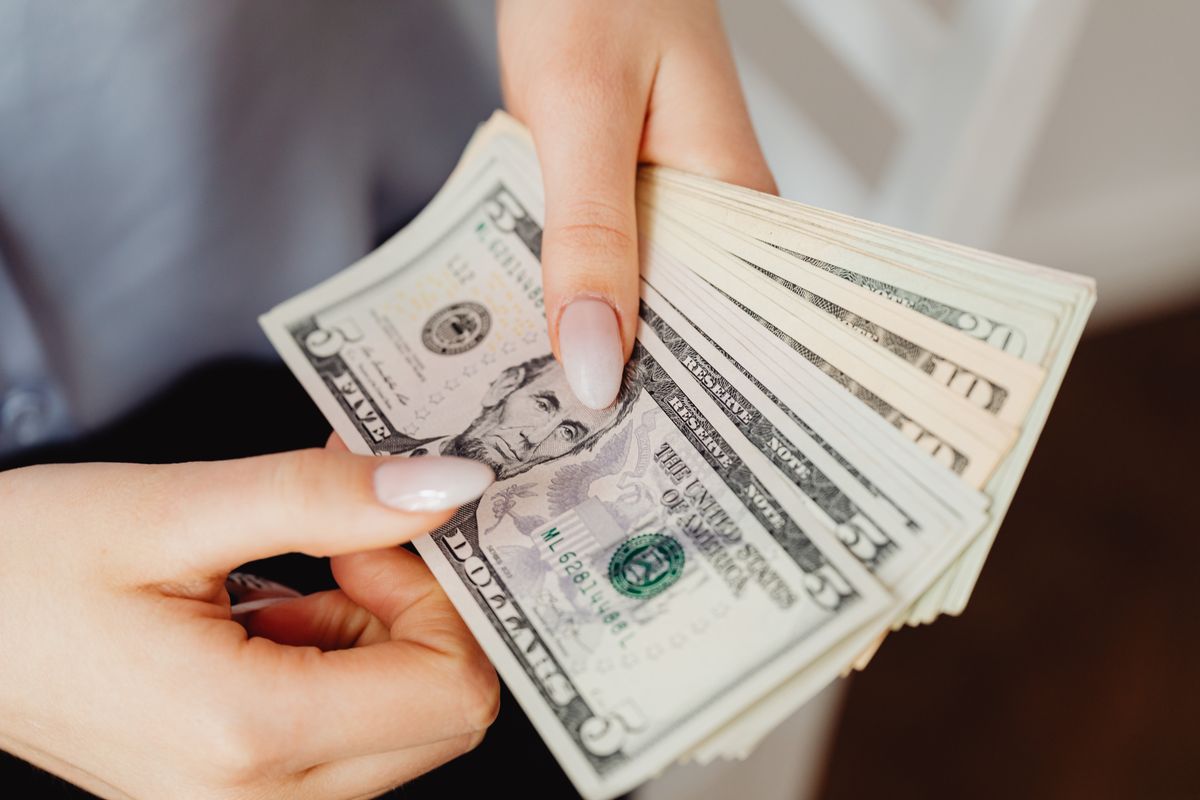
Photo by https://kaboompics.com/ on Pexels
The 100 Envelope Challenge Binder is not a one-size-fits-all product. You have to look at the ring mechanism, the envelope thickness, and the closure style. A standard A5 budget binder with cash envelopes is the baseline, but the sheer volume of 100 envelopes filled with cash creates significant bulk. Between these two, I'd go with a binder that features a magnetic flap or a reinforced buckle rather than a simple elastic band, as elastic loses its tension once the binder is fully "stuffed." For example, the Baddies and Budgets minimal black binder is marketed specifically toward a more streamlined, bold aesthetic, often priced around $49.90, which reflects a higher build quality meant for long-term use compared to generic PVC alternatives.
When you are looking at a 100 envelope savings challenge kit, you are essentially buying a workflow. The kit should include the binder, the numbered sleeves, and a tracker sheet. Some users prefer the "unstuffing" method shown in community videos, such as those by budgeting creators on YouTube, where they move accumulated cash to a high-yield savings account once the binder is full. If you plan to do this, look for a binder with a 5000 dollar savings challenge tracker specifically included. This ensures you aren't just guessing your total but are following a mathematical path to a specific five-figure goal. The A5 size is generally the standard because it fits comfortably in a home safe or a desk drawer while providing enough surface area for bills to lay flat without excessive folding, which can damage the binder's spine over time.
Selecting the Right Binder for Your Lifestyle
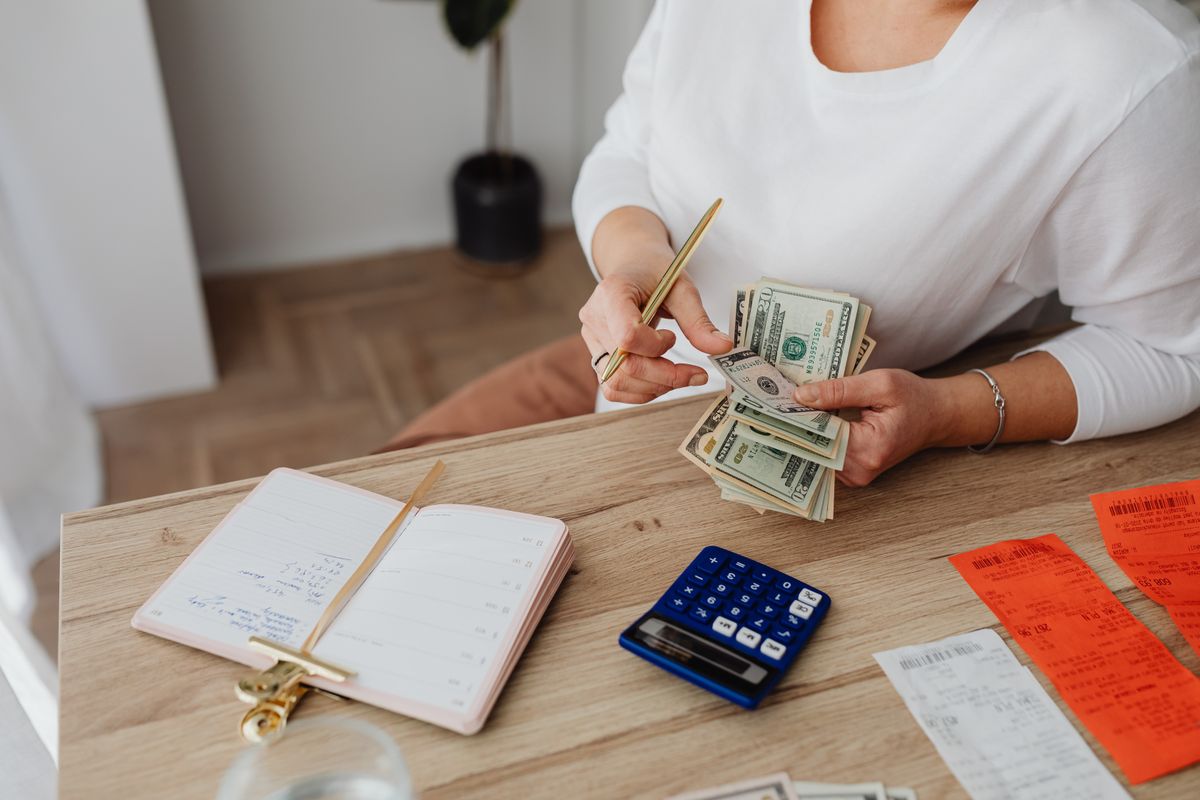
Photo by https://kaboompics.com/ on Pexels
Choosing the right tool depends on your specific financial target and how often you plan to interact with the binder. If you are aggressively saving, you need something heavy-duty. Skip this if you prefer to keep all your money in a bank and find physical cash inconvenient; this system is strictly for those who find value in the "cash stuffing" method. For everyone else, the decision comes down to the durability of the sleeves and the clarity of the numbering. I prefer sleeves that are top-loading rather than side-loading, as they prevent bills from sliding out when you're flipping through the pages quickly.
Here's what I'd actually buy: a 6-ring PU leather binder with a magnetic closure and 100 transparent, pre-numbered PVC-free sleeves. Here is a checklist to use before you purchase:
- Closure Type: Does it have a magnetic flap or a buckle? (Avoid elastic bands for 100-envelope sets).
- Ring Durability: Are the rings stainless steel or plastic? (Steel is required for the weight of 100 envelopes).
- Tracker Inclusion: Does it come with a reusable 1-100 tracker sheet?
- Envelope Material: Are the envelopes thick enough to resist tearing at the punch holes?
- Size: Is it a standard A5 that allows for easy replacement of sleeves if one breaks?
Shop 100 Envelope Challenge Binder here.