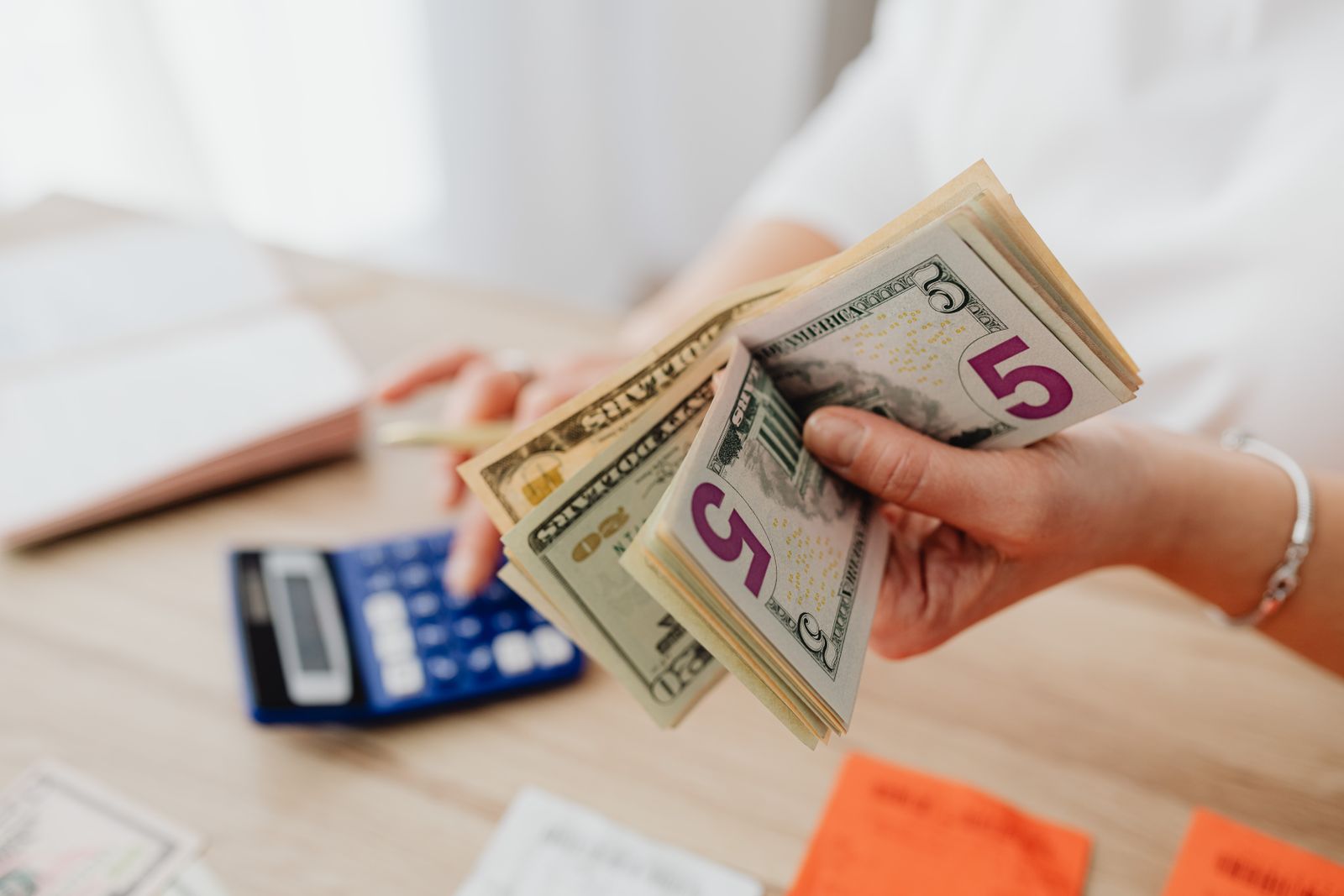
100 Envelope Challenge vs. 52-Week Money Challenge: Which Family Savings Plan Fits Your Budget?
Should your family commit to saving $5,050 with the 100 Envelope Challenge or $1,378 with the 52-Week Challenge? Choose the 100 Envelope Challenge if you want high-yield, gamified savings with flexible draw amounts that adjust to your variable income. Choose the 52-Week Challenge if you prefer predictable, low-dollar incremental savings on a fixed weekly budget.
Master Comparison: 100 Envelope vs. 52-Week Challenge by Scenario
| Household Scenario | 100 Envelope Challenge Outcome | 52-Week Challenge Outcome | Recommended Winner |
| --- | --- | --- | --- |
| Irregular Income or Freelance Paychecks | Flexible: Draw low-numbered envelopes ($1–$20) on light weeks and high numbers ($70–$100) on heavy weeks. | Rigid: Progressive weekly amounts ($40, $41, $42...) can create severe strain during low-income weeks. | 100 Envelope Challenge |
| Tight Holiday Budget in December | Customizable: Complete the highest-numbered envelopes earlier in the year to leave $1–$10 draws for Q4. | Severe Strain: Standard pacing forces your highest contributions ($49–$52/week = $202/month) during peak gift-buying season. | 100 Envelope Challenge (or Reverse 52-Week) |
| Engaging Young Kids in Financial Literacy | High Tactile Value: Kids pick random numbered pouches, stuff physical bills, and color in tracker grids with dry-erase markers. | Moderate Value: Simple line-item checklist, but less hands-on excitement once weekly numbers cross $30+. | 100 Envelope Challenge |
| Strict Low-Discretionary Income Buffer | Challenging: Requires averaging $50.50 per envelope. Can feel overwhelming if done in 100 consecutive days. | Achievable: Starts at just $1 in Week 1. Total yearly outflow is limited to $1,378. | 52-Week Challenge |
| Building an Emergency Fund Fast | High Yield: Reaches $5,050 in 100 draws (or ~25 bi-weekly pay periods averaging two envelopes each). | Slow Yield: Takes a full 52 weeks to accumulate $1,378, requiring additional challenges to hit $5k. | 100 Envelope Challenge |
Compare how both savings challenges perform across real-world family budgeting situations, peak cash-flow strain periods, and children's participation levels.
Failure Modes, Pros, and Cons of Both Savings Plans
Photo by https://kaboompics.com/ on Pexels
Before starting any savings system, it helps to understand why families drop out. Recognizing these failure points early ensures you pick the strategy you can stick with until the final envelope is stuffed.
Primary Failure Modes to Avoid
- 100 Envelope Challenge Failure Mode: Drawing three $90+ envelopes in a single week right before mortgage or rent is due. Unplanned high draws deplete cash buffers, forcing families to abandon the challenge.
- 52-Week Challenge Failure Mode: Hitting Weeks 45 through 52 ($45 to $52 per week) during November and December. Combining $202 in monthly challenge deposits with holiday shopping and feast prep causes 68% of dropouts during Q4.
Our Recommendation: The A5 PU Leather 100 Envelope Challenge Binder
For most families looking to build real savings momentum while keeping kids engaged, the 100 Envelope Challenge Binder Kit is our top recommendation.
Constructed from durable, scratch-resistant PU leather with double-stitched edges, this A5 binder houses 100 transparent, waterproof cash pouches. Unlike standard paper envelopes that tear and tear down family enthusiasm, these reusable zip sleeves protect your physical bills from dust, spills, and sticky fingers. It includes a laminated tracker card that allows your family to color in milestones with a dry-erase marker and reuse the kit year after year.
Ready to transform your family's financial future? Get your 100 Envelope Challenge Binder Kit today at envelopeschallenge.com and take control of your savings goals!
Savings Challenge Fit & Cash-Flow Calculator
Estimate your monthly savings capacity and peak weekly outlays before committing to a savings challenge format.
Family Savings Decision Tree: Which Challenge Fits Your Household?
- What is your primary savings target for the next 6 to 12 months? → Yes: Go to Question 2 (Targeting $5,000+ for emergency funds, vacations, or car purchases). No: Go to Question 3 (Targeting ~$1,000–$1,500 for holiday gifts or starter buffer)
- Does your household monthly income vary significantly from month to month? → Yes: Choose the 100 ENVELOPE CHALLENGE (Draw low numbers during lean weeks, high numbers during peak paychecks).. No: Choose the 100 ENVELOPE CHALLENGE WITH A5 BINDER (Follow a structured bi-weekly 2-envelope draw schedule).
- Do you prefer a predictable, fixed weekly deposit schedule over random draws? → Yes: Choose the REVERSE 52-WEEK CHALLENGE (Start with $52 in Week 1 and finish with $1 in Week 52 to protect your Q4 budget).. No: Choose the STANDARD 52-WEEK CHALLENGE or MINI ENVELOPE METHOD using an A5 clear sleeve binder.
How to Start Your Chosen Challenge Today
Your decision: Decide between the high-yield $5,050 100 Envelope Challenge or the steady $1,378 52-Week Challenge based on your total savings goal and cash flow buffer.
Do this next: Order an A5 PU Leather Budget Binder Kit equipped with 1-100 labeled waterproof pouches and a laminated reusable tracker.
- Read next: How to Do the 100 Envelope Challenge as a Family
- Read next: How to Set Up Your A5 Budget Binder Kit
100 Envelope Challenge Binder (A5 PU Leather Kit with waterproof pouches labeled 1-100 and reusable tracker)
Follow these simple, encouraging steps to launch your savings journey with your family.
Key Takeaways for Family Budgeters
- Target Check: The 100 Envelope Challenge nets $5,050 ($50.50 average per envelope), while the 52-Week Challenge nets $1,378 ($26.50 average per week).
- Flexibility Rules: The 100 Envelope method excels for variable income because you can select envelope numbers that match your weekly extra cash.
- Q4 Strain Protection: Standard 52-Week challenges burden families in December ($202 total in weeks 49–52). Reverse the weeks or use flexible envelopes to keep holidays stress-free.
- Kid Participation: Clear waterproof pouches and reusable colored trackers give children visual and physical connection to money goals.
- Safety First: Keep filled binders in a safe location at home, transferring cash to a High-Yield Savings Account (HYSA) at key milestones like $1,000.
Detailed Decision Framework by Household Scenario
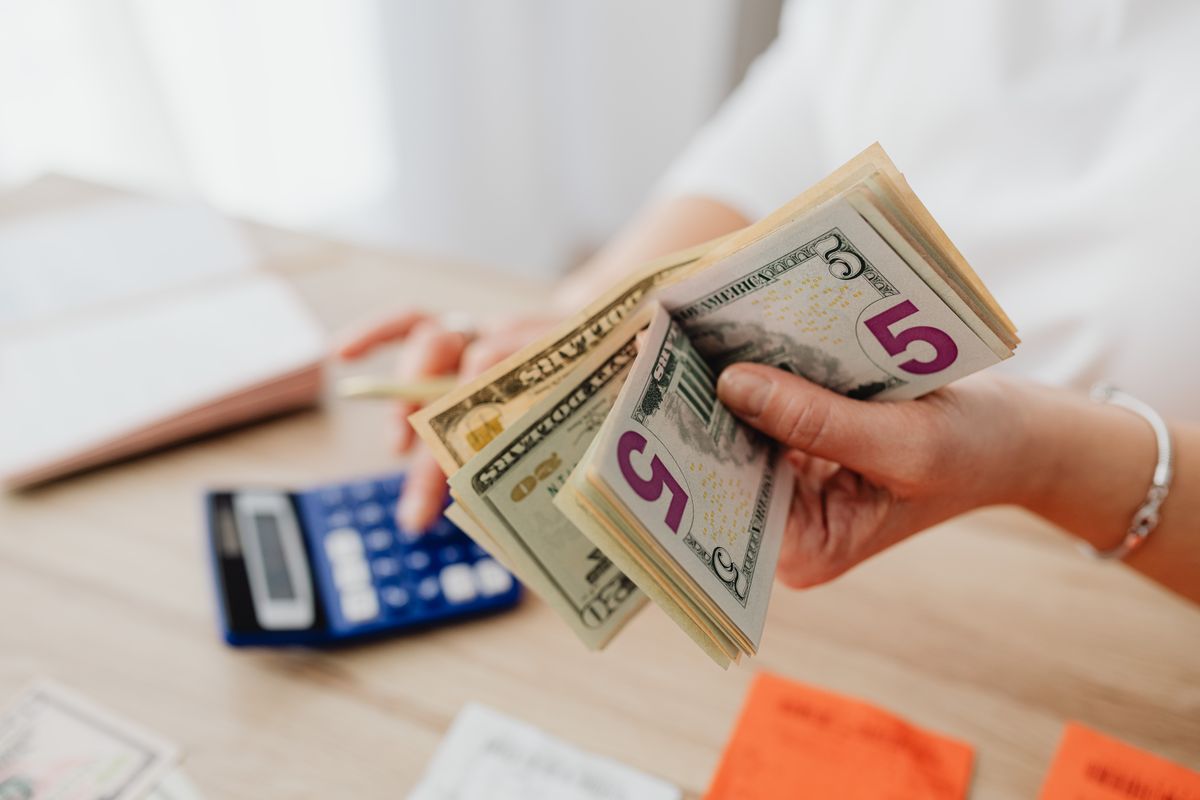
Photo by https://kaboompics.com/ on Pexels
Selecting the right challenge depends on whether your financial priority is maximum cash build ($5,050) or gentle habit formation ($1,378), combined with your paycheck consistency.
Best choice for
- 100 Envelope Challenge Binder System — Delivers nearly 4x the total savings yield of the 52-week method within a similar 12-month window.
- 100 Envelope Challenge (Strategic Draw) — Allows drawing envelopes #1 through #15 during slow pay cycles without breaking the challenge momentum.
- Reverse 52-Week Challenge — Starts strong when motivation is high and decreases weekly requirements as holiday expenses approach.
- Avoid the Standard 52-Week Challenge if your family faces high holiday expense demands in November and December.
- Avoid un-binderized paper envelopes if you have young children or pets near your workspace; paper tears easily and creates disorganization.
- Bi-Weekly Envelope Stuffing (2 Envelopes per Paycheck) — Spreads 100 envelopes perfectly across 50 bi-weekly paychecks over 2 years, cutting monthly cash burden in half.
Recommended Gear: A5 100 Envelope Challenge Budget Binder
Having tactile, durable tools turns routine budgeting into a fun, rewarding family ritual. The original A5 PU Leather Budget Binder system keeps your cash secure and organized.
Real-World Budgeting Scenarios & Cash Strain Months
Scenario A: The Back-to-School & Holiday Cash Crunch (August & December) — If using the 100 Envelope Binder, intentionally select lower numbers (#1–#20) during August (school supplies) and December (holidays). Reserve higher numbers (#80–#100) for low-expense months like January and April.
Scenario B: Saving with Bi-Weekly Paychecks (26 Pay Periods/Year) — Stuff exactly 2 envelopes every payday. By selecting one high envelope and one low envelope each payday (e.g., #100 and #1 = $101 total), you keep pay-period contributions completely flat and predictable.
Scenario C: Involving Kids in Sunday Night Cash Stuffing — Make savings night an event! Let children select the envelopes from the binder, count out physical cash from your grocery budget surplus, and color the laminated tracker sheet. This builds hands-on math and savings discipline.
To maintain financial peace, you must anticipate how each challenge interacts with your real calendar expenses.
Understanding the mathematical engine behind each savings challenge prevents unexpected budget bottlenecks and ensures long-term victory for your household balance sheet.
The Math Behind the 100 Envelope Challenge
The 100 Envelope Challenge relies on a basic mathematical progression formula popularized by Carl Friedrich Gauss:$$\text{Total} = \frac{n(n + 1)}{2}$$
When $n = 100$, the calculation yields:
$$\frac{100 \times 101}{2} = 5,050$$
To complete this in 100 consecutive days, your household must set aside an average of $50.50 per day ($353.50 per week). For many families, daily cash stuffing can feel overwhelming. However, stretching the 100 envelopes across 52 weeks requires filling approximately 2 envelopes per week, resulting in a far more manageable weekly average of $97.11. This flexibility makes the 100 Envelope system an exceptional vehicle for large goals like emergency buffers or family vacations.
The Math Behind the 52-Week Challenge
The standard 52-Week Challenge follows an incremental sequence where week number equals dollar contribution ($1 in Week 1, $2 in Week 2, up to $52 in Week 52):$$\frac{52 \times 53}{2} = 1,378$$
While saving $1,378 over a year requires an overall average of just $26.50 per week, the linear escalation creates a hidden cash-flow bottleneck. In Month 1 (Weeks 1–4), you save just $10 total. In Month 12 (Weeks 49–52), you must contribute $202 total. For families operating on fixed monthly budgets, this late-stage surge coincides directly with winter utility bills, end-of-year holidays, and seasonal insurance premiums.
Why Tactile Cash Stuffing Outperforms Digital Transfers
Behavioral economics shows that physically handling money reduces spending impulses. Using an A5 PU Leather Budget Binder with transparent waterproof sleeves provides immediate visual feedback. When children color in the laminated dry-erase tracker after putting physical bills into labeled pouch #50, they build concrete financial literacy skills that screen-based banking apps cannot match.Related Family Budgeting Guides
- 100 Envelope Challenge FAQ: Math, Rules & Schedules Answered
- 100 Envelope Challenge Rules FAQ: How to Save $5,050
- A 100 Envelope Challenge Binder Field Test Review
Frequently Asked Questions
Common questions from parents and budgeters comparing tactile savings challenge systems.
Cover photo by https://kaboompics.com/ on Pexels.