
Cash Envelope Method vs Digital Budgeting for Emergency Funds
Should you use a physical cash envelope binder or a digital budgeting app for your emergency fund? Digital apps offer automated interest but fail when frictionless transfers lead to impulse spending. Cash binders build behavioral momentum by making savings tangible. For most spenders, starting with a cash binder yields higher habit adherence before transitioning large milestones to a High-Yield Savings Account (HYSA).
Cash Envelope Method vs. Digital Budgeting Apps: Scenario Analysis
| Scenario / Stress Test | Physical Cash Envelope Binder | Digital Budgeting App | Hybrid Strategy (Binder + HYSA) |
| --- | --- | --- | --- |
| Impulse Shopping Temptation (Failure Mode: Instant transfers back to checking) | High Resistance: Requires physical effort to take cash out, visit a bank, or deposit, stopping 90%+ of impulse buys. | High Vulnerability: Frictionless digital transfers allow instant moving of funds back to checking for online shopping. | Maximum Security: Keeps active cash physical while milestone reserves sit in an online bank with a 2-day transfer delay. |
| Maintaining Savings Momentum (Failure Mode: Out-of-sight oversight & abandoned goals) | High Engagement: Visual progress via laminated tracker and physical envelope stuffing creates a fun, gamified habit. | Low Engagement: Abstract digital numbers fade into background notification noise, leading to goal decay. | High Engagement: Physical envelope stuffing drives weekly habit, while periodic deposits maintain visual momentum. |
| Interest Growth on Reserves (Failure Mode: Zero APY & inflation erosion) | Low Yield: Physical cash earns 0% APY and faces loss risk if large sums are kept at home long-term. | High Yield: Direct connectivity to HYSAs yields 4.0%–5.0%+ APY on total balance. | Optimized Yield: Keeps physical cash under $500–$1,000 for habit building, depositing milestones to earn full HYSA interest. |
| Family & Child Financial Literacy (Failure Mode: Abstract concepts kids cannot understand) | Superior: Kids physically see cash, hold notes, color in tracker milestones, and grasp money limits instantly. | Poor: Digital bank dashboards feel abstract and fail to teach children tangible spending boundaries. | Excellent: Children participate in physical envelope stuffing while parents explain milestone bank deposits. |
| Emergency Access During Outages (Failure Mode: Tech glitches, freeze periods, banking downtime) | Immediate: 100% offline physical cash availability for immediate local emergency needs. | Delayed: Subject to server maintenance, internet outages, bank transfer windows, or account holds. | Balanced: Instant offline cash for immediate minor needs, with bank reserves for major emergencies. |
When deciding how to build an emergency fund, evaluating methods under real-world psychological and logistical stress tests reveals their true failure modes.
Pros and Cons: Tactile Savings Binders vs. Digital Banking

Photo by Towfiqu barbhuiya on Pexels
Pros
- Physical friction prevents impulse transfers back into checking.
- Gamified visual tracking (laminated 1-100 tracker) builds psychological momentum.
- Tactile money handling makes financial concepts clear for families and children.
- 100% immune to internet outages, app lockouts, or banking maintenance downtime.
- Reusable A5 PU leather binders protect cash from water, dust, and physical wear.
- Physical cash held at home earns zero APY compound interest.
- Large cash sums held at home carry risk of theft or physical damage if not secured.
- Requires manual effort to withdraw cash and stuff envelopes each week.
Financial Psychology Insight: Why Friction Matters for Emergency Savings
Behavioral economics shows that the human brain experiences a distinct friction called the 'pain of paying' when exchanging physical currency. Digital cards and mobile apps eliminate this psychological barrier, making spending frictionless and savings easily raidable. When building an initial emergency fund, introducing intentional physical friction—such as storing cash inside an A5 budget binder with transparent waterproof envelopes—forces a deliberate delay between impulse and action. By requiring yourself to physically pull cash out of an envelope, you break the automated habit loop of impulse spending.
Emergency Fund Strategy Matcher Blueprint
Use this conceptual evaluation model to determine whether your spending behavior requires a 100% physical binder, a pure digital app, or a hybrid strategy.
Our Recommendation: The 100 Envelope Challenge Binder
If you struggle with online impulse spending or abandoning digital budget apps, the 100 Envelope Challenge Binder (Color) from Budget Binder Book offers the ideal solution. Crafted from durable, scratch-resistant PU leather with neatly stitched edges, this A5 binder includes 100 transparent, waterproof cash pouches and a reusable laminated tracker. It transforms savings into a tactile, rewarding game where you can systematically accumulate up to $5,050 for emergency funds, debt payoff, or family goals.
Ready to build an emergency fund that actually lasts? Get Your 100 Envelope Challenge Binder Today at envelopeschallenge.com and take complete control of your savings momentum!
Emergency Fund Method Selector Flowchart
- Do you frequently raid online savings accounts to cover impulse purchases? → Yes: Go to Question 2 (High Impulse Risk). No: Go to Question 3 (Low Impulse Risk)
- Do you want a fun, hands-on way to involve your family or track progress visually? → Yes: Primary Choice: 100 Envelope Challenge Binder (100% Physical Cash Stuffing). No: Primary Choice: Hybrid Model (Stuff physical envelopes up to $500, then deposit to bank)
- Is your primary goal earning yield on an existing large reserve ($5,000+)? → Yes: Primary Choice: High-Yield Savings Account (HYSA) with Automated Transfers. No: Primary Choice: Hybrid Model (100 Envelope Binder for daily habit + HYSA for milestone savings)
Next Steps to Launch Your Emergency Reserve
Your decision: Determine whether you need physical behavioral friction to curb spending or digital automation to maximize APY.
Do this next: Start your emergency reserve using the 100 Envelope Challenge Binder to build physical habit momentum, transferring milestone amounts into an interest-bearing HYSA.
- Read next: How to Build a $5,000 Emergency Reserve Using the 100 Envelope Challenge
- Read next: What to Look For in a Cash Envelope Challenge Binder: Buyer's Guide
100 Envelope Challenge Binder (Color)
Follow this practical action plan to begin building your emergency safety net without falling into common failure modes.
Summary: Key Takeaways for Emergency Fund Builders
Key insights to remember when choosing between cash binders and digital budgeting platforms:
Decision Framework: Which Approach Fits Your Life?
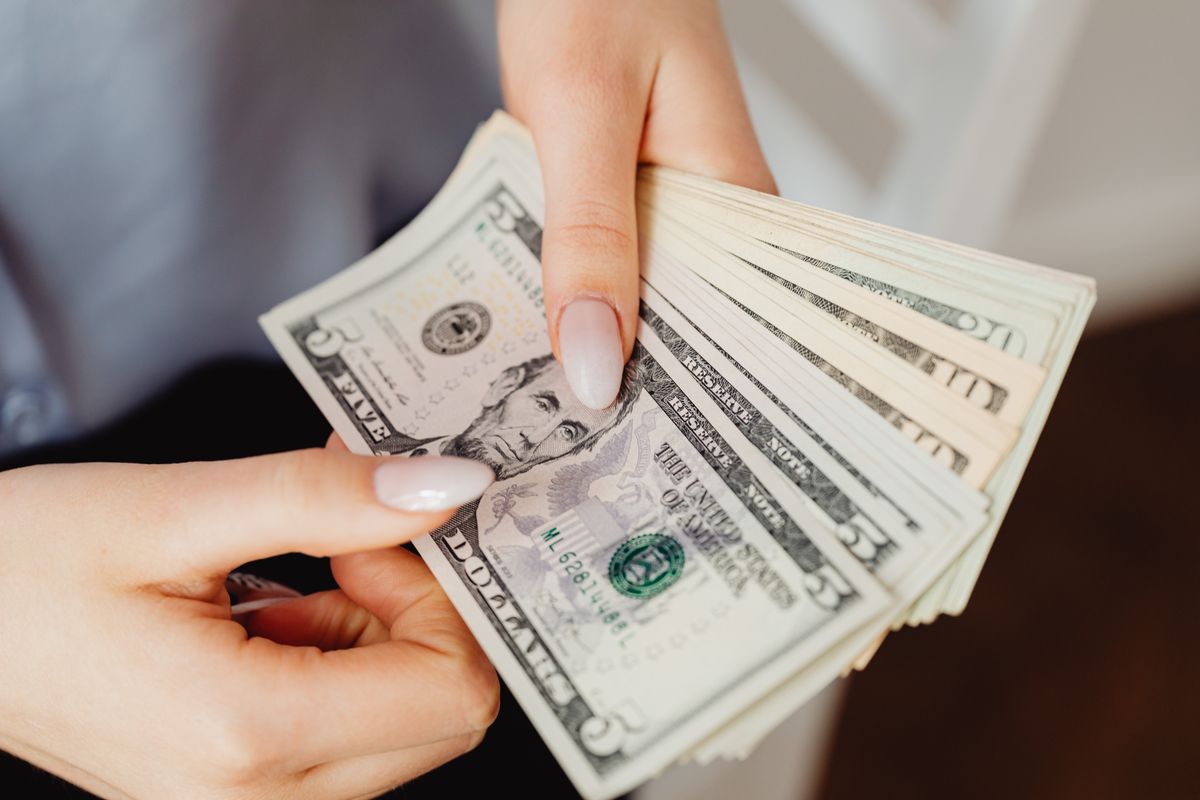
Photo by https://kaboompics.com/ on Pexels
Digital apps offer interest earnings and automated convenience, but suffer from high failure rates among chronic spenders due to frictionless transfers. Physical cash binders create powerful behavioral friction and tactile satisfaction, making them superior for building early savings discipline before transferring funds to high-yield accounts.
Best choice for
- Physical Cash Envelope Binder — Tangible friction prevents accidental spending, while visual progress tracking builds consistent savings habits.
- Digital High-Yield Savings App — Automated transfers and compound interest work best for disciplined savers who won't raid accounts.
- Hybrid Approach (Binder + HYSA) — Combines the fun, visual momentum of physical cash stuffing with the interest and security of a bank.
- Avoid pure digital apps if you frequently transfer money back out of savings for non-emergencies.
- Avoid holding 100% of large emergency funds in physical cash long-term due to fire/theft risk and missed interest.
- Hybrid Tiered Savings Model — Keep $500–$1,000 cash in your binder for rapid habit building and physical emergency reserves, moving larger milestones into a High-Yield Savings Account (HYSA).
Featured Tool: 100 Envelope Challenge Binder
Designed specifically for hands-on budgeters, this A5 size binder (9 inches tall by 7 inches wide) provides a complete, durable solution for executing the cash envelope system.
- Scratch-Resistant PU Leather: Soft to the touch, neatly stitched, and built to withstand daily handling.
- Transparent, Waterproof Cash Envelopes: High-clarity PVC pouches labeled 1–100 protect bills, coins, receipts, and trackers from moisture and dust.
- Laminated Reusable Tracker: Mark off completed envelopes with a dry-erase marker and wipe clean for your next challenge.
- Goal Capacity: Complete all 100 envelopes to save exactly $5,050.
Real-World Savings Scenarios: Cash vs. Digital
The Impulse Online Shopper — Digital apps fail because saved funds sit one tap away from checking. Using the 100 Envelope Challenge Binder creates physical friction—walking to the binder and pulling cash halts impulse purchases completely.
The Family Teaching Kids Financial Literacy — Digital bank apps are abstract to children. An A5 budget binder with waterproof pouches labeled 1-100 turns cash stuffing into an engaging family activity where children visually see money build toward family goals.
The Saver Building a $5,000+ Emergency Reserve — Adopt a hybrid model. Use the 100 Envelope Challenge Binder to build momentum for every $500 milestone in cash, then deposit those milestone blocks into a High-Yield Savings Account to capture interest while keeping habits intact.
Here is how different profiles fare when using physical binders compared to digital apps:
You do not have to choose strictly between the behavioral power of physical cash and the compound interest of digital banking. The most successful savers utilize a hybrid savings framework.
How the Hybrid Framework Works
This system ensures that your cash remains safe from home damage or theft while ensuring your habit loop stays unbroken.
Related Guides & Emergency Fund Resources
- Digital Savings Apps vs. Physical Cash Envelope Binders for Family Budgeting
- Cash Envelope Challenge vs. Digital Savings Apps for Kids
- Improving Cash Savings with a 100 Envelope Challenge Binder
Frequently Asked Questions
Common questions regarding physical cash binders, safety, and interest strategies:
Next Steps: Launch Your Emergency Fund Today
Your decision: Determine whether physical savings friction or automated digital tracking aligns best with your spending habits.
Do this next: Start your emergency reserve using the 100 Envelope Challenge Binder to build physical habit momentum, transferring milestone amounts into an interest-bearing HYSA.
- Read next: How to Build a $5,000 Emergency Reserve Using the 100 Envelope Challenge
100 Envelope Challenge Binder (Color)
Ready to turn savings into an enjoyable, rewarding habit? Pick up your 100 Envelope Challenge Binder from Budget Binder Book, map out your weekly stuffing schedule, and start building your financial safety net step-by-step.
Cover photo by https://kaboompics.com/ on Pexels.