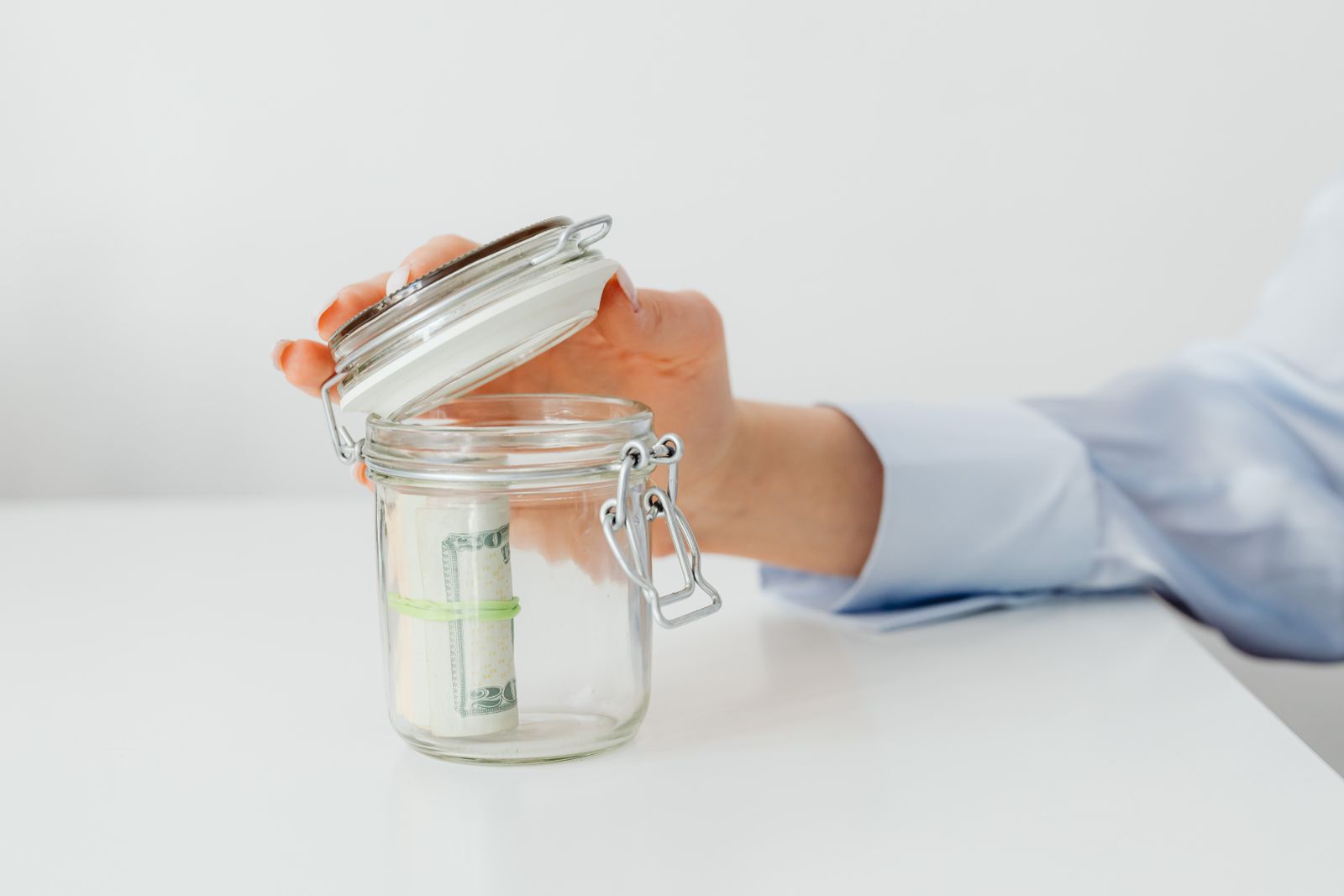
Cash Envelope Challenge vs. Digital Savings Apps for Kids
Should you choose a physical cash envelope binder or a digital savings app to teach your children money management?
For children under age 13, a physical cash envelope challenge binder is vastly superior to digital apps. Tangible bills build tactile number sense, spatial cognitive awareness, and impulse control that abstract digital screens cannot replicate. While youth debit card apps offer convenient automation for teenagers, young children need hands-on visual feedback to truly comprehend value, math, and patience.
Tactile vs. Digital Cognitive Learning Spectrum
| Learning Scenario / Stage | Physical Cash Envelope Challenge Binder | Digital Youth Savings App | Winner & Cognitive Impact |
| --- | --- | --- | --- |
| Early Math & Counting (Ages 5-8) | Children physically sort, count, and insert cash bills into numbered pouches 1-100, building concrete tactile numeracy. | App displays glowing digital numbers. Children tap buttons without feeling the physical weight or exchange of currency. | Physical Binder: Concrete touch establishes fundamental value comprehension. |
| Impulse Buying Resistance (Ages 6-12) | Opening a binder and physically removing cash creates cognitive friction and immediate visual scarcity. | Swiping a plastic youth card or tapping an app screen feels frictionless, increasing spending temptation. | Physical Binder: Physical loss of cash reinforces real-world trade-offs. |
| Visual Progress Tracking | Coloring in a laminated tracker chart and watching 100 transparent pouches fill creates clear spatial reward dopamine. | Bar charts on a smartphone screen are easily hidden behind games, social media, and app notifications. | Physical Binder: High-visibility physical placement keeps savings top-of-mind. |
| Allowance & Chore Association | Immediate cash reward handed over and stuffed into designated binder pouches reinforces effort and reward. | Digital transfer happens behind closed screens, feeling like an abstract points system rather than earned wages. | Physical Binder: Direct tactile correlation builds strong work ethic. |
| Online Shopping & Direct Deposit (Ages 13+) | Requires adult intervention to deposit cash into a bank account before making online purchases. | Direct integration with bank accounts and online store checkouts simplifies digital transactions. | Digital App: Better suited for teen digital literacy and direct deposit. |
This scenario-based matrix contrasts physical cash envelope challenge binders with digital youth savings apps across key child development milestones.
Failure Modes & Strengths: Cash Envelopes vs. Digital Apps
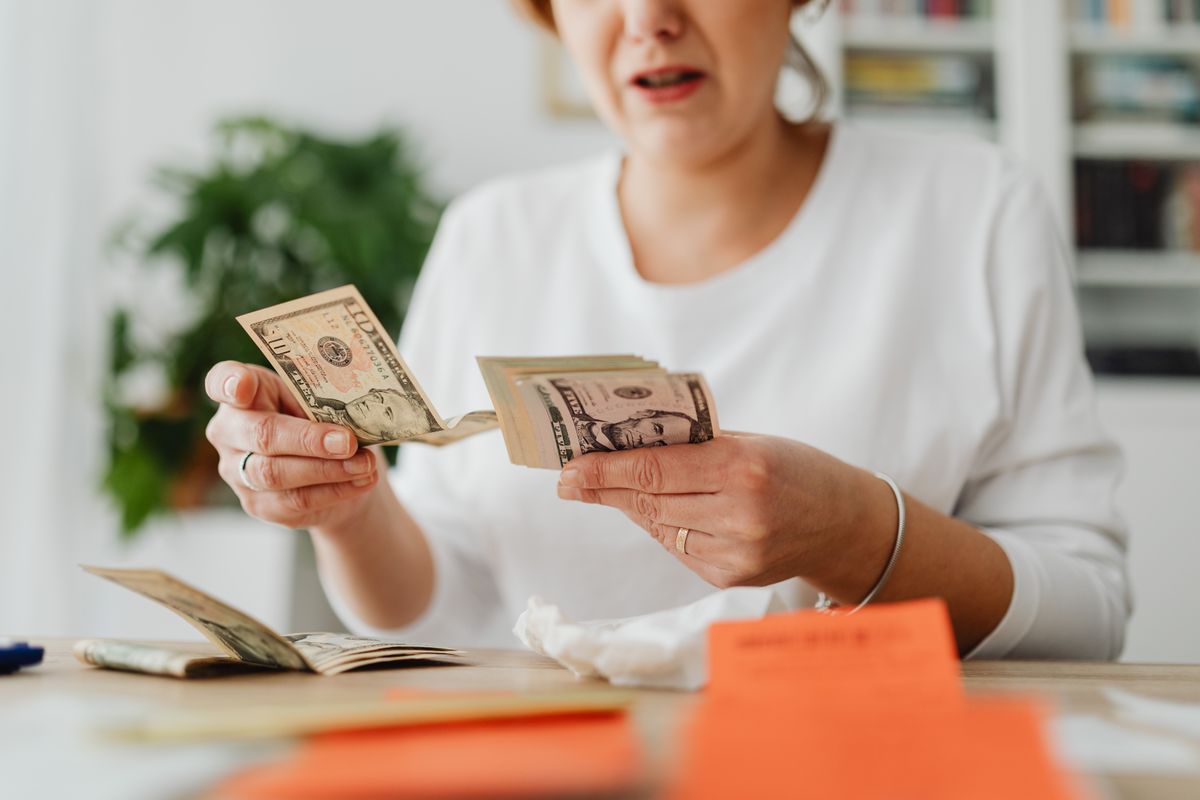
Photo by https://kaboompics.com/ on Pexels
Pros
- Cash Binder Strength: A5 PU leather binder with transparent, waterproof labeled pouches keeps cash organized, clean, and visible on a family shelf.
- Cash Binder Strength: Laminated reusable tracker lets children color progress, wipe clean, and restart challenges endlessly.
- Cash Binder Strength: Builds lifelong impulse control by introducing tactile friction to every spending decision.
- Digital App Strength: Automated weekly transfers allow busy parents to automate allowance distributions.
- Digital App Strength: Teaches older teens how to navigate online banking portals and digital point-of-sale systems.
- Cash Binder Failure Mode: Physical bills can be lost or damaged if stored in flimsy paper envelopes without zippered, waterproof binder protection.
- Cash Binder Failure Mode: Adult $5,050 target amounts can overwhelm young kids if parents fail to scale down envelope pouch values to quarters or single dollars.
- Digital App Failure Mode: Abstract screen numbers obscure real monetary scarcity, leading children to treat digital balances like video game tokens.
- Digital App Failure Mode: Monthly subscription fees ($4-$8/month) quietly erode small youth savings balances over time.
- Digital App Failure Mode: Screen fatigue causes children to ignore app notifications and abandon savings tracking within weeks.
Our Top Recommendation for Young Savers: The 100 Envelope Challenge Binder
For children and families looking to build real money discipline, the 100 Envelope Challenge Binder is the undisputed winner. Crafted from scratch-resistant PU leather with neatly stitched edges, this A5 binder includes 100 labeled, transparent, waterproof cash pouches and a laminated reusable tracker.
Whether saving quarters for a toy or single dollar bills for a family trip, your child will love watching their binder fill up page by page!
Ready to make saving money fun and visual for your child? Order your 100 Envelope Challenge Binder today at envelopeschallenge.com!
Child Psychology Insight: The Developmental Science of Tactile Savings
According to developmental psychologist Jean Piaget, children between ages 7 and 11 operate in the concrete operational stage of cognitive development. During this phase, kids learn best through physical manipulation of real objects—not abstract symbols.
When a child holds five physical $1 bills and places them into pouch #5 of an A5 Budget Binder, their brain connects math, effort, and scarcity in a multi-sensory neural loop. Digital screens abstract this experience into mere pixels, bypassing the emotional weight of money management.
Decision Flowchart: Which Method Should You Choose?
- Is your child under 13 years old? → Yes: Choose the 100 Envelope Challenge Binder (Physical tactile learning is crucial).. No: Is your primary goal teaching online banking and direct deposit for a teenager?
- Is your primary goal teaching online banking and direct deposit for a teenager? → Yes: Choose a Youth Digital Savings App or Hybrid System.. No: Does your child struggle with screen distraction or impulse spending?
- Does your child struggle with screen distraction or impulse spending? → Yes: Choose the 100 Envelope Challenge Binder to introduce physical spending friction.. No: Consider a Hybrid Approach: Use the Cash Binder for short-term visual goals and a digital account for long-term savings.
Your Action Plan to Start a Family Savings Challenge
Your decision: Choose the 100 Envelope Challenge Binder for kids under 13 to build strong tactile money habits before transitioning to digital banking.
Do this next: Order an A5 PU Leather Budget Binder, sit down with your child to choose an achievable goal (like $50 or $100), and place cash into labeled pouches during weekly allowance time.
- Read next: How to Start the 100 Envelope Challenge with Your Kids (Step-by-Step Family Guide)
- Read next: How to Set Up and Maintain Your 100 Envelope Challenge Binder with Kids
100 Envelope Challenge Binder (A5 PU Leather with 1-100 waterproof labeled pouches).
Key Takeaways for Parents
- Tactile feedback is essential for kids under 13 to understand money value and math principles.
- Digital apps often create screen fatigue and make money feel like abstract video game points.
- A sturdy A5 PU leather binder with waterproof transparent envelopes protects cash from dust and loss.
- Modifying pouch values (e.g., $0.25 to $1.00 per envelope) makes the challenge fun and achievable for children.
- A hybrid approach works best as kids reach high school—combining physical cash envelopes with digital bank accounts.
Age-by-Age Financial Tool Selector

Photo by Tima Miroshnichenko on Pexels
For children under 13, physical cash envelope challenges teach significantly better financial discipline because tangible bills reinforce cognitive value and impulse control. Digital apps suit teens managing online transactions.
Best choice for
- 100 Envelope Challenge Binder (Modified $0.25 - $1 pouches) — Teaches fundamental counting, visual progress tracking, and physical sorting without screen fatigue.
- 100 Envelope Challenge Binder (Standard or $1 - $5 pouches) — Builds strong impulse control and patience as kids save for bigger personal goals like bikes, games, or trips.
- Hybrid Approach (A5 Cash Binder + Youth Debit Card) — Combines physical cash allocation for daily discretionary spending with digital accounts for savings interest and online shopping.
- Giving digital-only debit cards to children under age 8 who lack concrete monetary experience.
- Leaving loose cash in flimsy paper envelopes where bills can easily rip, get wet, or fall out.
- Quarter & Coin Jar Binder Challenge — Great for toddler allowance where physical coins are placed into binder zip-lock coin pouches.
Featured Tool: 100 Envelope Challenge Binder
Take control of your family's savings goals with our premium A5 PU Leather Budget Binder! Designed to withstand daily use by energetic hands, this binder features:
- Scratch-Resistant PU Leather: Soft to touch, neatly stitched, and available in beautiful colors.
- Waterproof & Dustproof Envelopes: Transparent PVC pouches labeled 1-100 keep cash, coins, and bills completely secure.
- Laminated Reusable Tracker: Color in numbered slots as you fill pouches, then wipe clean to reuse for your next goal!
- Complete Savings Capability: Save up to $5,050 traditionally, or customize envelope values for kid-friendly goals ($50.50 or $100).
Real-World Family Savings Scenarios
Teaching Weekly Chore Allowance to a 7-Year-Old — Use the A5 Budget Binder. Give the child $1-$3 in physical bills upon chore completion. Let them select corresponding envelope pouches, insert the cash, and color the laminated tracker.
Saving as a Family for a Disney Vacation or Holiday Shopping — Keep the 100 Envelope Challenge Binder on the living room shelf. Family members deposit spare cash into numbered pouches daily. Seeing the pouches fill creates team momentum.
Preventing Pre-Teen Impulse Spending at Stores — Before visiting a store, have your pre-teen open their cash binder and physically withdraw only the cash allocated for that trip. Leaving the rest in the binder enforces boundaries.
Here is how different family dynamics handle chore allowance, goal tracking, and spending boundaries using cash envelope binders.
While physical cash binders are the clear winner for early childhood financial literacy, the modern financial world is undeniably digital. As your child approaches high school, the goal is not to ban digital tools forever, but to build a seamless Hybrid Savings Roadmap.
Stage 1: Pure Tactile Foundation (Ages 5–10)
During these foundational years, keep all money physical. Use the 100 Envelope Challenge Binder for chores, birthday cash, and gift savings. The tactile experience builds neural pathways connecting hard work with tangible physical wealth.Stage 2: The Semi-Digital Transition (Ages 11–14)
Introduce a digital component without giving up the binder. Have your pre-teen keep their cash savings organized in the binder pouches. When a milestone pouch is completed (e.g., reaching $100), take your child to a local credit union or bank to deposit that cash into a youth savings account together.Stage 3: The Hybrid Mastery System (Ages 15+)
Equip your teenager with a youth debit card for online purchases and direct deposits, but retain the A5 Budget Binder for discretionary spending cash and sinking funds (such as gas money, clothes, or car savings). This prevents teens from overspending digital balances while preparing them for adult banking.Related Family Budgeting & Savings Resources
- Cash Envelope Method vs Digital Budgeting for Emergency Funds
- Digital Savings Apps vs. Physical Cash Envelope Binders for Family Budgeting
- Improving Cash Savings with a 100 Envelope Challenge Binder
Frequently Asked Questions
At what age should kids start using the 100 Envelope Challenge binder?
Children as young as 5 years old can begin using a cash binder! At ages 5 to 6, kids love sorting physical bills, matching numbers on pouches, and coloring the laminated tracker. Independent goal setting typically flourishes between ages 7 and 12.
How can we do the 100 Envelope Challenge with lower dollar amounts for children?
You don't have to save $5,050 with young kids! You can modify envelope values so pouches 1-100 represent cents (saving $50.50 total), $0.25 increments, or single dollars ($1-$10 repeated). This keeps goals realistic and encouraging for allowance budgets.
Can you combine a physical cash envelope binder with a youth debit card account?
Yes! A hybrid system works wonderfully for pre-teens and teens. Kids organize physical cash in their A5 binder for daily goal tracking, then periodically transfer milestone savings into a high-yield youth bank account.
How do waterproof plastic envelopes prevent kids from misplacing cash savings?
Unlike traditional paper envelopes that easily tear, smudge, or drop coins, our A5 binder features clear, waterproof PVC pouches. Cash and coins stay zipped inside, completely protected from water spills, sticky hands, and accidental loss.
Ready to Build Lifelong Money Discipline?
Your decision: Start your child's financial literacy journey with the physical 100 Envelope Challenge Binder today.
Do this next: Visit envelopeschallenge.com to select your favorite PU leather binder color, print your kid-friendly tracking sheet, and start stuffing cash together as a family!
- Read next: How to Start the 100 Envelope Challenge with Your Kids
- Read next: How to Set Up and Maintain Your 100 Envelope Challenge Binder
100 Envelope Challenge Binder (A5 PU Leather Binder with 1-100 Labeled Waterproof Cash Envelopes).
Cover photo by https://kaboompics.com/ on Pexels.