
Cash Envelope System vs. Digital Budgeting: Which Works Best for Your Family?
Should your family choose a physical cash envelope binder or a digital budgeting app? Choose a physical cash envelope system if impulse spending and digital screen fatigue derail your monthly budget, or if you want a tangible, fun way to teach children financial discipline. Choose digital apps primarily for tracking automated online bills. For most households, a hybrid model—combining digital auto-pay for fixed expenses with an A5 cash binder for variable daily spending—delivers the ultimate control, highest savings rate, and best hands-on family engagement.
Scenario-Based Comparison: Cash Envelopes vs. Digital Apps
| Household Budget Scenario | Physical Cash Envelope System | Digital Budgeting Apps | Clear System Winner |
| --- | --- | --- | --- |
| Curbing Impulse & Target Shopping Runs | Physical cash limits spending strictly to cash on hand; creates psychological 'pain of paying' when bills leave your hands. | Cards swipe frictionlessly; app notifications reflect overspending after the money has already left your account. | Cash Envelope Binder |
| Managing Fixed Online Auto-Pay Bills | Requires depositing cash back to the bank or keeping online funds separate; cumbersome for recurring online payments. | Flawlessly syncs with bank accounts, debit cards, and automated monthly recurring bills like utilities or mortgage. | Digital Budgeting App |
| Teaching Kids Financial Literacy & Saving | Hands-on, visual pouches make cash tangible, easy to grasp, and exciting for kids during weekly savings sessions. | Abstract numbers on a screen fail to build tactile money awareness or impulse control for young minds. | Cash Envelope Binder |
| Hitting $5,050 Emergency Fund Challenge | Numbered 1–100 pouches create a gamified visual tracker that builds momentum as physical cash accumulates. | Digital sub-accounts feel static and lack tactile reward mechanics, making long-term challenges easier to abandon. | Cash Envelope Binder |
| On-the-Go Expense Tracking & Receipt Audit | Requires bringing designated cash pouches or binder along during shopping trips and storing paper receipts. | Automatically categorizes card transactions via bank feeds with minimal manual entry required. | Digital Budgeting App |
Compare how cash envelope binders and digital budgeting software perform across common household financial scenarios:
System Failure Modes: Where Digital and Cash Systems Break Down

Photo by https://kaboompics.com/ on Pexels
Before choosing a budgeting method, it is crucial to understand why people drop off. Most financial plans fail not because of math, but because the system clashes with behavioral habits.
The Verdict: Which System Fits Your Household?
If debit card overspending, impulse shopping, or a lack of savings discipline is your primary frustration, switching to a physical A5 Cash Envelope Budget Binder is the most powerful reset button you can push. It breaks the cycle of invisible digital spending and turns saving into a fun family activity.
For households balancing online mortgage payments with daily variable spending, we strongly recommend the Hybrid Model: keep online auto-bills in your checking account, and stuff your variable spending (groceries, dining out, family fun, and savings goals) into a durable cash binder.
Family Budgeting Readiness Decision Tree
- Do you consistently overspend on variable categories (dining, Target, impulse buys) when swiping cards? → Yes: Go to Question 2. No: Digital Budgeting App is sufficient for your tracking needs.
- Do you want to involve your children or spouse in hands-on, visual savings goals? → Yes: Choose the Physical Cash Envelope System (A5 Budget Binder).. No: Go to Question 3
- Do you have automated online bills (mortgage, utilities, streaming) tied to your bank account? → Yes: Adopt the Hybrid Model: Digital Auto-Pay for fixed bills + Cash Binder for variable categories.. No: Use a 100% Cash Envelope Budgeting System.
Essential Takeaways for Family Budget Success
- Physical cash triggers the brain's 'pain of paying' response, naturally reducing impulse buys by up to 30%.
- Digital apps excel at tracking fixed, automated bills but often fail to curb discretionary daily overspending.
- The Hybrid Workflow combines the best of both worlds: digital checking for recurring bills and an A5 binder for variable cash envelopes.
- Gamified tools like the 100 Envelope Challenge help families build a $5,050 emergency fund through visual, rewarding milestones.
- Cash stuffing is the single best hands-on educational tool for teaching children the value of physical money in a digital world.
Decision Matrix: Best Choice For & When to Avoid
Physical cash binders solve impulse spending and engage families visually, while digital apps manage fixed online overhead.
Best choice for
- Cash Envelope Binder — When you run out of cash in a labeled envelope, spending stops immediately. No delayed card shock.
- 100 Envelope Challenge Binder — Tracking progress on a laminated sheet and stuffing envelopes labeled 1-100 builds tangible savings momentum.
- Digital Bank Checking / App — Online bills require digital auto-pay. Withdrawing cash for fixed electronic payments creates unnecessary friction.
- Avoid 100% cash systems if you live in a remote area without easy access to local bank ATMs for cash withdrawals.
- Avoid 100% digital apps if swiping cards feels 'invisible' and leads to frequent end-of-month budget deficit surprises.
- Hybrid Budgeting Workflow — Leave fixed bill money in checking for automated online payments; withdraw cash every payday for daily discretionary categories in your binder.
Featured Tool: 100 Envelope Challenge A5 Budget Binder
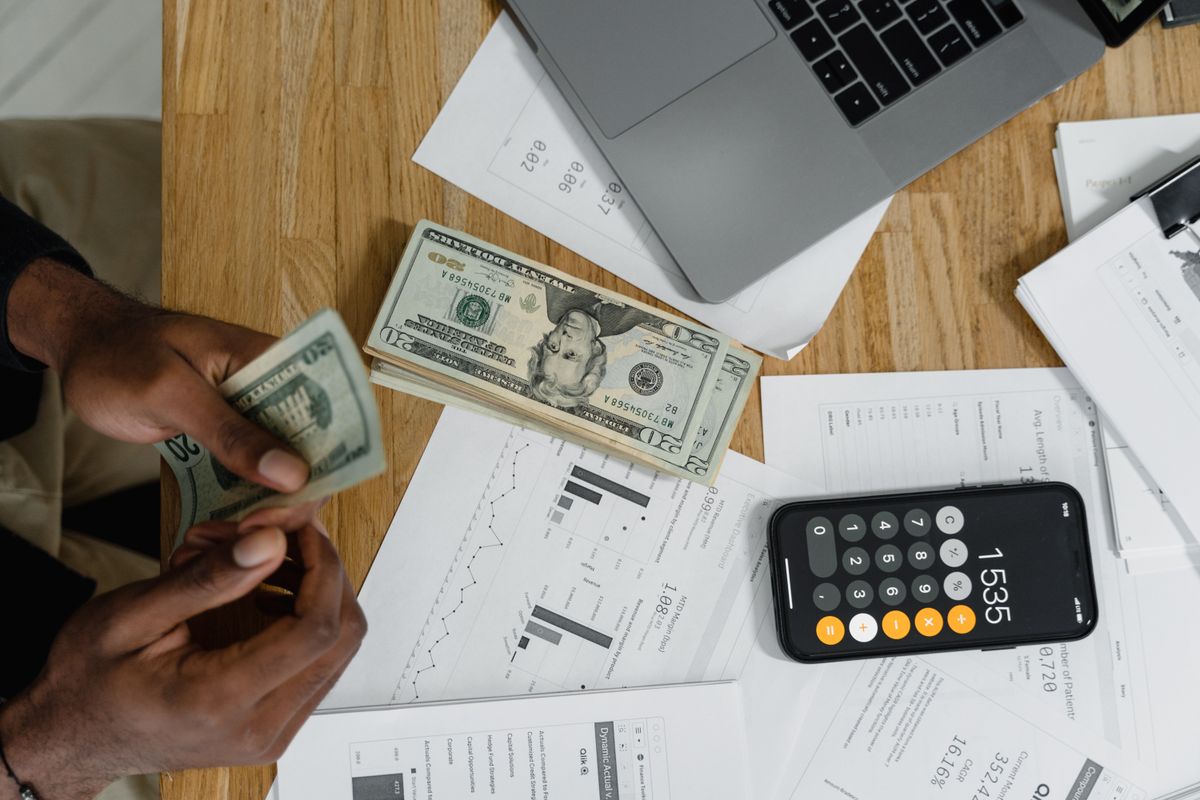
Photo by Tima Miroshnichenko on Pexels
If you are ready to take control of your discretionary spending and make saving fun, the 100 Envelope Challenge A5 Budget Binder is designed specifically for this journey.
Real-World Family Scenarios & Failure Modes
Scenario A: The Grocery & Target Impulse Trap — When using debit cards, 'quick runs' for milk frequently turn into $150 cart sprees. By switching to a dedicated 'Groceries & Household' cash envelope, you only bring your allocated cash into the store. When the cash runs low, non-essential items go back on the shelf—instantly protecting your budget.
Scenario B: Managing Online Auto-Pay Bills Without Cash Confusion — Do not withdraw cash for your electric bill, mortgage, or internet service. Calculate your total monthly fixed electronic bills, leave that exact dollar amount in your bank checking account with auto-pay enabled, and only withdraw cash for variable categories like Dining, Fun, and Savings Challenges.
Scenario C: Teaching Children Financial Literacy at Home — In a cashless society, children rarely see money exchanged, making card taps feel like magic. Give kids small labeled pouches in your A5 budget binder for allowance or birthday cash. Letting them count physical bills for a desired toy builds lifelong money discipline.
Here is how real households handle common budgeting roadblocks using physical and hybrid systems:
The Behavioral Neuroscience of Cash vs. Card Swiping
Why does digital budgeting fail so many well-intentioned families? The answer lies in psychological payment friction. Behavioral economics research demonstrates that paying with physical cash activates the brain's pain processing centers (specifically the insula). When you physically hand over a crisp $20 or $100 bill, your brain registers an immediate loss signal.
In contrast, swiping a plastic card or tapping a smartphone eliminates this pain signal completely. The payment is decoupled from the consumption experience. Digital budgeting apps attempt to fix this issue after the fact by sending notifications hours or days later—when the money is already spent. A physical cash envelope system restores that real-time friction, empowering you to stop overspending before it happens.
The Hybrid Family Budget Workflow: Step-by-Step
You do not have to choose between living completely off-grid with cash or relying entirely on smartphone apps. The most successful families utilize a structured Hybrid Budget Workflow:
Frequently Asked Questions
Ready to Transform Your Family's Savings Habit?
Your decision: Determine whether your budget breaks down due to card impulse spending (choose Cash Binder) or digital auto-pay management (choose Hybrid Model).
Do this next: Audit your monthly variable expenses this weekend, set up your cash envelope categories, and order your A5 budget binder to make savings tangible and fun.
- Read next: How to Start Cash Stuffing for Beginners: A Step-by-Step Guide
- Read next: 100 Envelope Challenge Guide for Family Savings Goals
Start your journey with the scratch-resistant 100 Envelope Challenge A5 Budget Binder, equipped with waterproof pouches labeled 1-100 and a laminated tracker to help your family save $5,050.