
Digital Budgeting Apps vs. Cash Envelope Binders: Which Stops Impulse Spending Better?
Should you rely on a digital budgeting app or switch to a physical cash envelope binder to control impulse spending? A cash envelope binder stops impulse spending far more effectively than a digital app. Budgeting apps passively log purchases after you spend, creating notification fatigue. In contrast, physical cash binders introduce tactile payment friction—forcing you to visually count and hand over physical currency, which activates the cognitive pain of paying before an impulse buy occurs.
Cash Envelope Binders vs. Budgeting Apps: Scenario Breakdown
| Spending Scenario | Digital Budgeting App Performance (Failure Mode) | Cash Envelope Binder Performance (Friction Control) | Winner for Impulse Control |
| --- | --- | --- | --- |
| Grocery Shopping & Target Runs | Swiping a card takes 2 seconds. The app alerts you hours later that you went $80 over budget. | You only bring your $150 cash grocery envelope into the store. When the envelope is empty, spending stops immediately. | Cash Envelope Binder |
| Dining Out & Coffee Habits | Micro-transactions ($5 coffee, $20 takeout) blend into a digital feed without emotional resistance. | Physically pulling bills out of a labeled envelope forces you to calculate remaining spending money for the week. | Cash Envelope Binder |
| Late-Night Online Shopping | Auto-filled credit card details make impulse purchases frictionless with one-click checkout. | Requires standing up, retrieving your physical binder, and facing the cash balance, creating a critical cooling-off period. | Cash Envelope Binder |
| Fixed Utility & Mortgage Bills | Seamless auto-pay schedules prevent late fees without manual intervention. | Cumbersome; withdrawing cash to pay electronic service providers introduces unnecessary administrative hassle. | Digital Budgeting App |
| Family Savings & Teaching Kids | Abstract numbers on a screen fail to teach children the tangible value of money. | Transparent pouch envelopes (labeled 1-100) turn savings into a visual, hands-on game the entire family can see grow. | Cash Envelope Binder |
Here is how physical cash binders compare against digital apps across common real-world spending triggers, emphasizing where digital systems typically fail.
Pros and Cons: Tactile Cash Binders vs. Digital App Tracking
Pros
- Physical Cash Binder: Creates immediate cognitive friction that stops impulse spending before checkout.
- Physical Cash Binder: Provides zero-latency visual feedback; you instantly see exactly how much spending money remains.
- Physical Cash Binder: Gamifies long-term goal savings (like the $5,050 100 Envelope Challenge) for families and kids.
- Digital Apps: Excellent for setting automated recurring drafts for fixed monthly bills (mortgage, insurance).
- Digital Apps (Failure Mode): Passive post-purchase tracking logs debt rather than preventing it.
- Digital Apps (Failure Mode): Notification fatigue causes users to ignore over-budget alerts.
- Digital Apps (Failure Mode): Frictionless digital swiping decouples the pleasure of buying from the pain of paying.
- Physical Cash Binder: Requires periodic ATM visits to withdraw cash for variable envelope categories.
Impulse Control Self-Assessment: Do You Need a Cash Binder?
- Do you frequently ask 'Where did my paycheck go?' at the end of the month despite having a budgeting app?
- Do you check your budgeting software after making purchases rather than before placing an item in your cart?
- Does tapping your debit card or phone at checkout feel completely painless and automatic?
- Do minor daily micro-transactions (coffee, quick takeout, online deals) consistently blow your monthly budget?
- Do red push notifications from your budgeting app cause feelings of guilt rather than immediate spending changes?
Our Recommendation: The Tactile Solution to Overspending
For variable daily spending, discretionary fun money, and targeted savings goals, switch to a physical cash envelope binder. Keep your fixed online bills on digital auto-pay, but move dining out, groceries, personal spending, and goal savings into a structured binder.
The 100 Envelope Challenge Binder provides a scratch-resistant A5 PU leather cover, 100 waterproof transparent labeled pouches, and a reusable tracker card. It turns abstract financial goals into a satisfying, tactile daily routine that can save you up to $5,050 while actively retraining your spending habits.
Decision Tree: Which System Fits Your Spending Style?
- Are your main budget leaks caused by impulse buys on groceries, dining out, or online shopping? → Yes: Go to Question 2.. No: Use a Digital Budgeting App for passive tracking of predictable monthly expenses.
- Do you find yourself ignoring app notifications and overspending on debit or credit cards? → Yes: Adopt a Cash Envelope Binder for all discretionary spending categories.. No: Try a hybrid approach: keep fixed bills digital and use cash envelopes for discretionary categories.
Key Takeaways: Why Tactile Cash Budgeting Works
- Payment Friction Prevents Leaks: Physical cash forces your brain to register loss, slowing down impulse buys.
- Apps Track History, Binders Change Behavior: Digital tools record where your money went; cash envelopes dictate where it goes in real time.
- Visual Progress Drives Adherence: Seeing waterproof pouches fill with bills creates a natural dopamine reward that replaces shopping impulses.
- The Hybrid Method is Ideal: Automate recurring online bills via checking, but stuff physical cash for all variable, high-risk impulse categories.
Decision Support Matrix: Best Tool for Every Financial Goal
While digital apps offer convenient automated tracking, cash envelope binders are vastly superior at curbing active impulse spending by introducing physical payment friction.
Best choice for
- Cash Envelope Binder — Forces physical touch of money, creating immediate cognitive awareness before cash leaves your hands.
- Digital Budgeting App — Automates predictable, recurring electronic bank drafts where impulse spending is not a factor.
- 100 Envelope Challenge Binder — Provides a hands-on visual and tactile game that makes saving $5,050 clear and engaging for all ages.
- You travel internationally constantly and cannot easily hold cash in local currency.
- 100% of your monthly expenses are fixed, automated bill payments with zero discretionary spending.
- Hybrid Budgeting System — Pay fixed electronic bills via your checking account, but withdraw cash for variable envelopes like groceries, entertainment, and goal challenges.
Featured Tool: A5 100 Envelope Challenge Binder

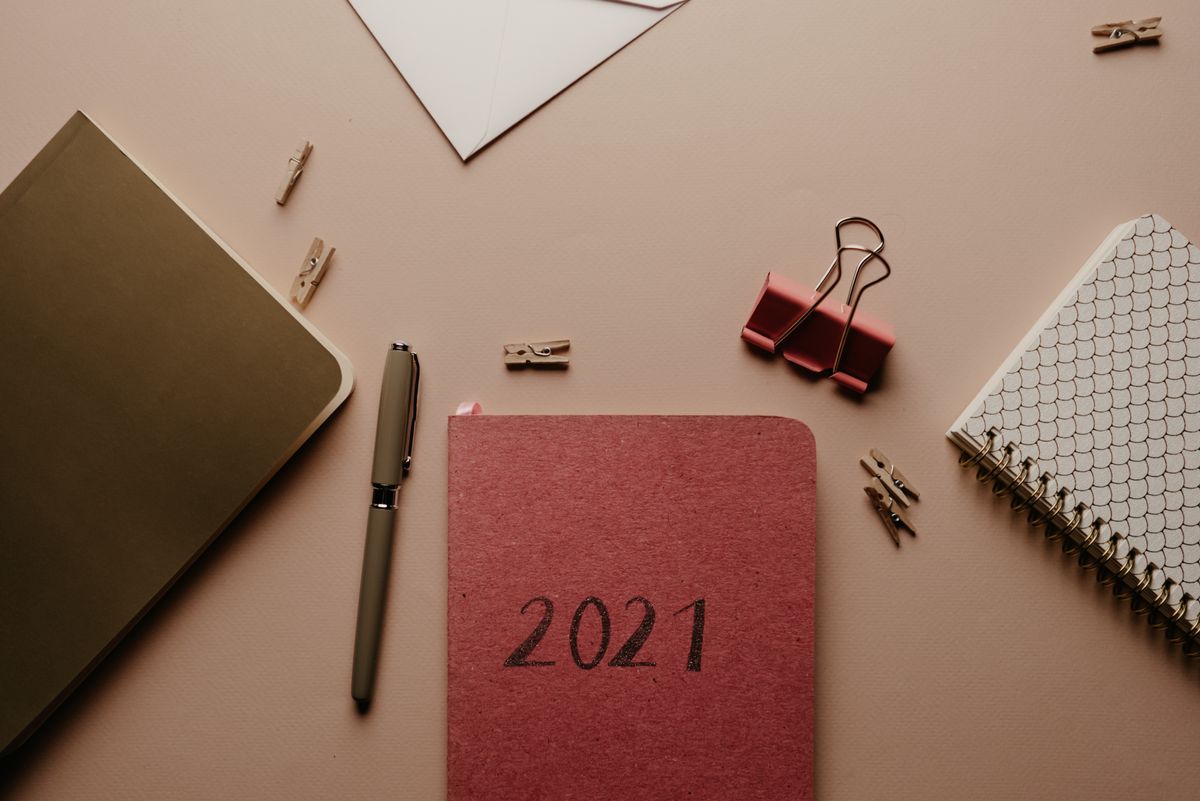
Photo by https://kaboompics.com/ on Pexels
Take control of your household spending with the ultimate tactile budgeting binder.
Real-World Scenarios: How Each System Performs Under Pressure
Scenario A: The Friday Night Food Delivery Temptation — With a digital app, ordering delivery takes three card taps on your phone. You tell yourself you'll adjust the budget later. With a Cash Envelope Binder, you open your 'Dining Out' envelope and see only a single $10 bill. Because you cannot pay the app in cash without visiting an ATM, the physical boundary stops the purchase, prompting you to cook dinner instead.
Scenario B: The Weekend Target / Department Store Shopping Trip — A digital app allows you to swipe your card for $180 worth of home decor items not on your list. You receive a push alert hours later saying you breached your limit. With a Cash Envelope Binder, you leave your credit cards at home and carry only your $60 'Misc Household' cash envelope into the store. You physically cannot overspend at checkout.
Scenario C: Building an Emergency Fund or Vacation Savings — In a digital savings account, money is an abstract number easily transferred back to checking with one swipe. In a 100 Envelope Challenge Binder, every bill stuffed into pouches 1 through 100 represents tangible progress toward $5,050. Watching the physical binder swell builds psychological momentum that keeps your savings intact.
See how physical cash binders and digital apps perform when tested against real life's biggest spending temptations.
Why do digital budgeting apps fail so many well-intentioned spenders? The answer lies in neuro-economics and the psychology of payment friction.
The Neuro-Economics of 'Pain of Paying'
When you pay for an item with physical paper currency, your brain experiences a psychological phenomenon known as the pain of paying. Counting physical bills out of your wallet, handing them to a cashier, and receiving less cash in return triggers cognitive friction. It forces your brain to process the loss of resources instantly.Digital transactions deliberately eliminate this pain. Swiping a debit card, tapping a smartphone, or using auto-filled credit card data on a shopping site decouples the pleasure of acquiring a product from the pain of losing money. Because digital spending is frictionless, your brain registers the financial loss long after the purchase is complete—usually when you open a budgeting app days later to review the damage.
Why Budgeting Apps Fail Impulse Spenders
Most popular budgeting apps operate on passive tracking. They sync with your bank accounts and categorize transactions after they settle. While this yields pretty pie charts and monthly breakdowns, it acts like an autopsy of your finances rather than an active guardrail.Over time, receiving push notifications stating "You have exceeded your Coffee budget by $32" causes notification fatigue and financial anxiety. Instead of altering behavior, passive alerts often lead users to close the app and avoid looking at their balances altogether.
How Cash Envelope Binders Restore Financial Discipline
Physical cash envelope stuffing flips this dynamic. By transferring your discretionary income into labeled envelopes at the beginning of the week or month, you create an un-breachable spending ceiling.- Zero Latency: You know your exact balance instantly by looking at the envelope. No logging into bank portals or waiting for pending transactions to clear.
- Hard Boundaries: When the cash in your 'Entertainment' pouch is gone, spending stops. There is no card to swipe or overdraft line to rely on.
- Tactile Gamification: Binders like the A5 100 Envelope Challenge replace the empty dopamine hit of online shopping with the deeply satisfying habit of filling numbered pouches. Tucking cash into pouch #45 or #78 produces a tangible sense of achievement that reinforces disciplined financial habits for adults and children alike.
Recommended Financial Discipline Resources
Explore additional guides on mastering hands-on money management:
- How to Start Cash Stuffing for Beginners: A complete step-by-step framework for setting up your first budget binder.
- The Psychology of Cash Budgeting: Deep dive into how tactile money systems alter decision-making in retail environment settings.
- 100 Envelope Challenge for Families: How to use savings challenges to teach kids practical financial literacy and math skills.
Frequently Asked Questions
How do I handle online bills and automated subscriptions if I switch to cash envelopes?
Use a hybrid system. Keep your fixed, non-negotiable electronic payments (mortgage, auto insurance, utilities, and essential streaming subscriptions) automated through your primary checking account. Withdraw physical cash strictly for variable, high-impulse categories like groceries, dining out, entertainment, personal care, and savings goal challenges.
Is it safe to keep cash in a budget binder at home?
Yes, when managed wisely. Your budget binder holds your active weekly or monthly discretionary funds and goal challenge money—not your entire life savings. Store your binder in a discrete drawer, desk, or home safe. When running errands, only take the specific category envelope you need rather than carrying the entire binder in public.
Can I use both a budgeting app and a cash envelope binder together?
Absolutely. Many successful budgeters use high-level digital apps to track macro metrics like net worth, retirement accounts, and total debt reduction, while using an A5 cash envelope binder as their daily operational dashboard to control physical spending friction.
Common questions about transitioning from digital budgeting apps to a physical cash envelope system.
Your Next Steps to Reclaim Control Over Your Money
Your decision: Choose a physical cash envelope binder system for variable impulse spending while maintaining digital auto-pay for fixed household bills.
Do this next: Order your A5 100 Envelope Challenge Binder from Budget Binder Book, set up your cash envelopes for high-leak categories, and start your path toward saving $5,050 today.
- Read next: How to Set Up Your A5 Budget Binder for Cash Envelope Success
- Read next: The Psychology of Cash Budgeting: Why Tactile Money Curbs Impulse Buying
100 Envelope Challenge Binder (A5 PU Leather)
Ready to stop leaking money through frictionless swipes and take back control of your financial future?
Cover photo by https://kaboompics.com/ on Pexels.