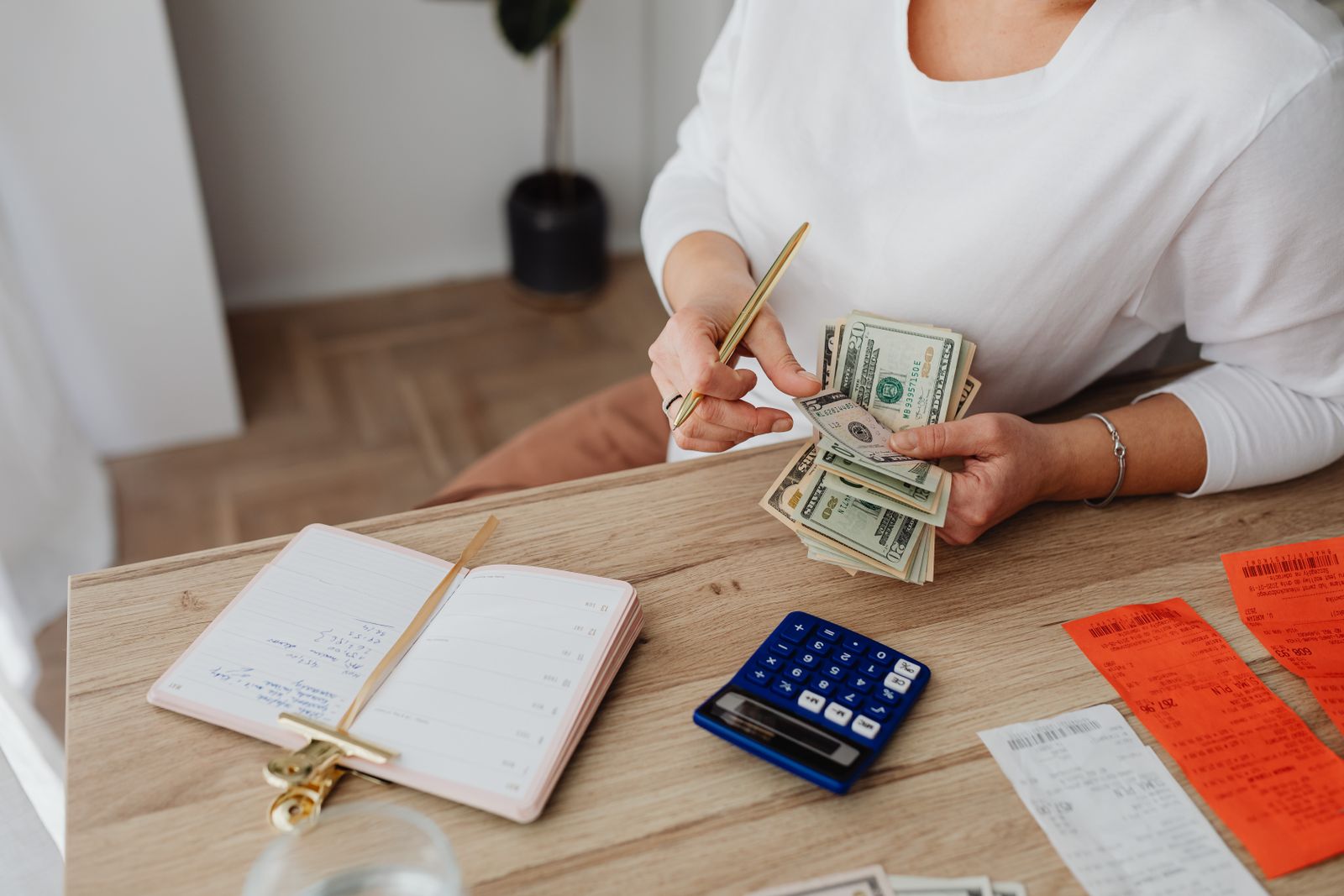
How to Start Cash Stuffing: Beginner Guide to Reusable Trackers & Budget Binders
The 80/20 cash stuffing rule dictates keeping 80% of your net income in your checking account for automated digital bill payments (rent, utilities, loans) and withdrawing the remaining 20% in physical cash for variable daily expenses and sinking funds. Divide your cash into labeled, waterproof A5 binder envelopes and record every deposit on a reusable laminated tracker card using a dry-erase marker. Following this visual method with a 1–100 envelope system allows you to build a $5,050 cash reserve without risking unpaid online bills.
Key Takeaways for Cash Stuffing Success
- Lead with Exact Math: Calculate specific bill counts ($20s, $10s, $5s, $1s) on a bank teller withdrawal slip before visiting the bank.
- Protect Your Fixed Bills: Keep 100% of auto-debit payments in digital checking; only stuff variable categories and savings challenges into physical pouches.
- Use Reusable Laminated Hardware: An A5 6-ring PU leather binder with zip-top waterproof envelopes and dry-erase trackers eliminates ongoing paper waste.
- Mitigate Theft Risks: Store daily spending cash in a small wallet while securing your main A5 savings binder inside a home safe or fireproof lockbox.
- Build Financial Literacy: Involve family members or children by making savings challenges tactile, color-coded, and visual.
A5 Binder & Cash Envelope Setup Specifications
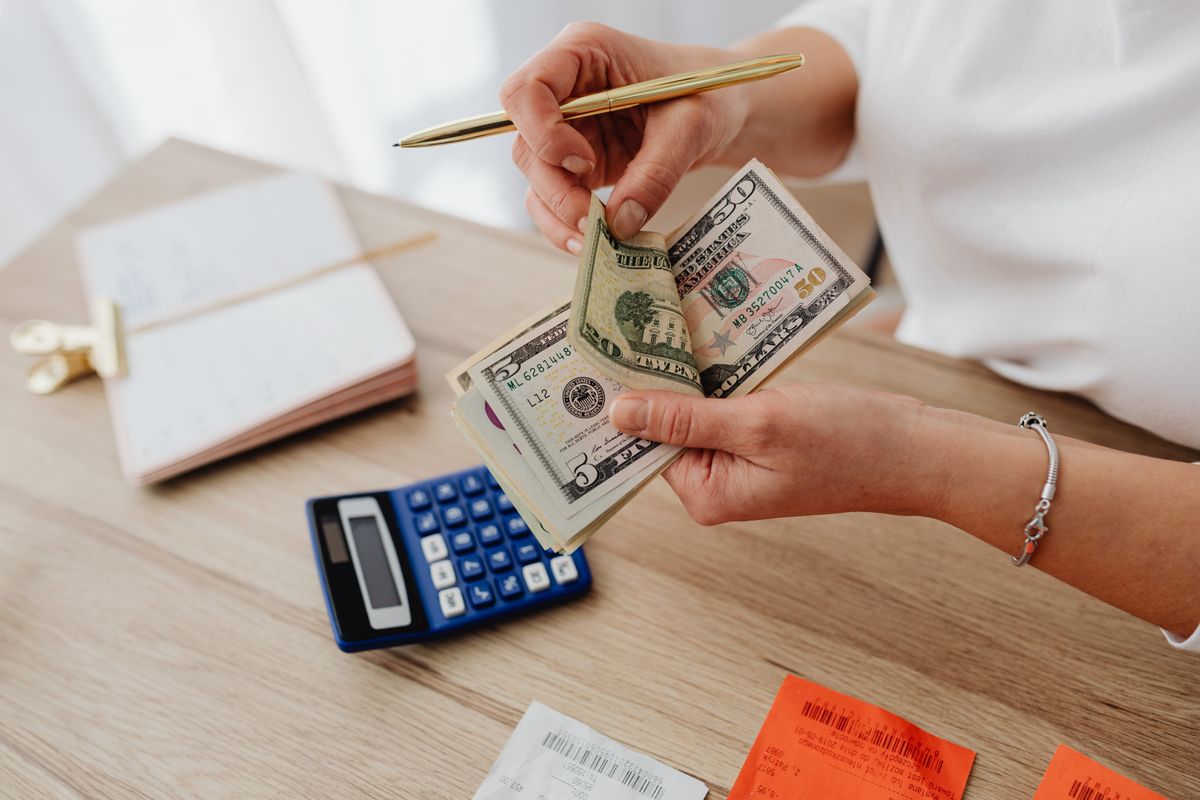
Photo by https://kaboompics.com/ on Pexels
| Component Specification | Standard Requirement | 100 Envelope Challenge Binder Kit |
| --- | --- | --- |
| Binder Format & Dimensions | A5 6-Ring Binder (approx. 9" x 7") | A5 Premium PU Leather (9.0" H x 7.0" W) |
| Cover Material & Durability | Scratch-resistant PU leather with reinforced stitching | Scratch-resistant, neatly stitched PU leather |
| Pouch Type & Closure | Transparent, waterproof PVC with zip-lock seals | Heavy-duty transparent zip pouches labeled 1–100 |
| Tracker Type & Care | Laminated cardstock (wet/dry-erase compatible) | Laminated reusable cardstock (cleans with alcohol) |
| Total Savings Capacity | Scalable ($1,000 to $10,000) | $5,050 complete 1–100 challenge yield |
| Environmental Protection | Dustproof and spill-proof protection | Full enclosure against water splash and dust accumulation |
A high-quality physical cash budgeting setup requires durable, water-resistant components that withstand bi-weekly manipulation and marker erasing.
Visualizing the Beginner Cash Stuffing Workflow
Understanding the physical flow of money from your paycheck into organized binder pouches helps maintain consistency every pay period.
Recommended Starter Tool: A5 100 Envelope Challenge Binder
If you want an all-in-one system to start cash stuffing and complete the classic $5,050 savings goal, the 100 Envelope Challenge Binder from Budget Binder Book provides everything you need in a clean, reusable package.
- Durable Construction: A5 PU leather binder is scratch-resistant, neatly stitched, and comfortable to touch.
- Complete Protection: Includes transparent, waterproof cash pouches labeled 1–100 to protect bills from water, dust, and tearing.
- Reusable Tracker: Features a heavy-duty laminated tracker card so you can reset and restart your challenge anytime using dry-erase markers.
- Family Friendly: Designed for visual goal tracking, making it an ideal tool for teaching kids and teens money management skills.
Cash Stuffing Category Checklist & Starter Blueprint
- A5 PU Leather Budget Binder (6-ring scratch-resistant format)
- Transparent, waterproof zip-top cash envelopes (labeled 1–100)
- Laminated reusable tracker card (wet or dry-erase compatible)
- Fine-tip dry-erase marker or 70% isopropyl alcohol cleaning kit
- Pre-calculated bank teller withdrawal slip with exact bill breakdowns
- Variable Spending Envelopes: Groceries, Dining Out, Gas/Transit, Personal Spending
- Sinking Fund Envelopes: Emergency Fund, Vacation, Car Maintenance, Holidays/Birthdays
- Home fireproof lockbox or cash safe for high-value envelope storage
Bank Teller Communication & Denomination Calculation Tips
When requesting specific bill breakdown at your bank, never guess at the teller window. Write down exact counts for $100s, $50s, $20s, $10s, $5s, and $1s on a deposit/withdrawal slip before stepping up to the counter.
Tellers process pre-written breakdown slips seamlessly because it matches standard cash drawer balancing routines. Requesting crisp, uncirculated $5s and $1s makes stuffing small-denomination challenge envelopes (like envelopes 1 through 20) significantly easier and keeps your A5 binder flat.
Your Action Plan to Start Cash Stuffing Today
Your decision: Determine your total variable spending budget for your next pay period.
Do this next: Pick up an A5 budget binder with transparent waterproof envelopes, fill out your bank teller breakdown slip, and execute your first cash stuffing session.
- Read next: How to Set Up Your A5 Budget Binder for Cash Envelope Success
- Read next: 100 Envelope Challenge Math Breakdown & Formulas
https://envelopeschallenge.com
Choosing Your Cash Envelope Strategy: Physical vs. Hybrid Systems
Cash stuffing works best for tactile budgeters and visual savers struggling with impulse debit card spending.
Best choice for
- 100% Cash Envelope Stuffing for Variable Spending — Physical cash creates immediate psychological friction during retail transactions, curbing impulse purchases.
- Hybrid Sinking Fund Cash Stuffing — Leaves fixed bills on digital autopay in checking while using an A5 binder for savings goals and discretionary cash.
- You pay 100% of your daily expenses via strict cashless digital systems without impulse spending issues.
- Paper Savings Trackers — Good for one-off challenges, but single-use paper tears easily and requires re-printing compared to reusable laminated A5 binders.
Essential Cash Stuffing Hardware
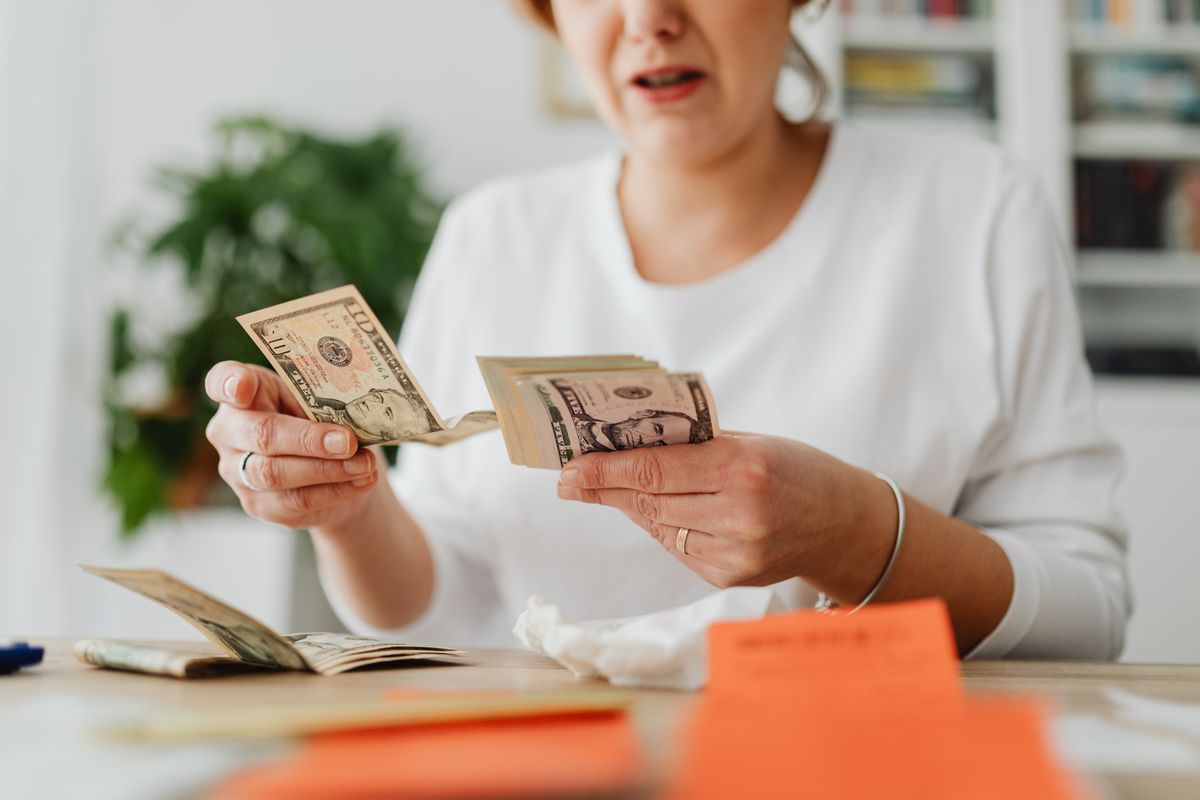
Photo by https://kaboompics.com/ on Pexels
The Psychology of Physical Cash Budgeting
Digital transactions on debit and credit cards bypass the brain's natural loss-aversion triggers. When you hand over a crisp $20 bill for an unplanned purchase, your brain registers a physical trade of value. Studies in behavioral economics consistently show that consumers spend up to 15% to 30% less on variable items when paying with physical currency rather than plastic or digital wallets.Cash stuffing leverages this tactile feedback loop by creating rigid physical boundaries. When your labeled 'Dining Out' envelope is empty for the pay period, dining spending stops until the next paycheck refill. There are no overdraft fees, hidden bank charges, or surprise credit card statements.
The Math Behind the $5,050 Challenge
The classic 100 Envelope Challenge follows an arithmetic progression. By labeling pouches from 1 to 100 and depositing the exact dollar amount matching the pouch number, the total sum saved is calculated using Carl Friedrich Gauss's formula for consecutive integers:$$\text{Total} = \frac{n(n + 1)}{2} = \frac{100(101)}{2} = 5,050$$
Filling two envelopes per week completes the challenge in 50 weeks (just under one year), generating a $5,050 emergency fund, vacation cash reserve, or debt payoff lump sum. For low-income or flexible budgeters, envelopes can be filled out of numerical order based on leftover variable cash at the end of each week.
Maintaining Your Reusable Hardware
Investing in a reusable A5 PU leather binder with laminated tracker cards ensures your budgeting tools last for years across multiple savings cycles. To maintain your equipment:Paycheck Cash Stuffing Scenarios & Denomination Strategies
| Paycheck Scenario | Variable Cash Budget | Recommended Denomination Count ($100 / $50 / $20 / $10 / $5 / $1) | Target Envelope Allocation |
| --- | --- | --- | --- |
| $250 Weekly Paycheck | $250 Cash | 1x $100, 1x $50, 3x $20, 2x $10, 3x $5, 5x $1 | Groceries ($100), Gas ($40), Dining ($30), Fun ($20), 100-Envelope Challenge (#35 & #25) |
| $500 Bi-Weekly Paycheck | $500 Cash | 2x $100, 3x $50, 5x $20, 3x $10, 3x $5, 5x $1 | Groceries ($200), Gas ($80), Dining ($60), Emergency Fund ($50), Challenge (#65 & #45) |
| $1,000 Monthly Paycheck | $1,000 Cash | 5x $100, 6x $50, 8x $20, 3x $10, 2x $5, 0x $1 | Groceries ($400), Gas ($150), Vacation ($150), Car Maintenance ($100), Challenge (#100 & #100) |
Use these pre-calculated pay-period scenarios to determine exact bill counts for your bank teller withdrawal slips based on your paycheck size.
5 Beginner Cash Stuffing Mistakes to Avoid
Continue Building Your Financial System
- 100 Envelope Challenge Binder Kit Details & Specifications
Frequently Asked Questions About Cash Stuffing
How do I request specific bill denominations from a bank teller?
Write down your exact requested bill counts ($20s, $10s, $5s, $1s) on a withdrawal slip before stepping up to the teller window. Handing the pre-calculated breakdown slip directly to the teller makes the transaction fast, routine, and completely stress-free.
What should I do with cash leftover in variable spending envelopes at the end of the pay period?
Roll over leftover cash into your 100 envelope challenge binder, add it to your high-priority emergency sinking fund, or keep it in the envelope as a spending buffer for the next pay period.
How do I safely store physical cash inside my home?
Keep minimal daily spending cash in your personal wallet. Store your primary A5 budget binder and high-value savings envelopes inside a fireproof, waterproof home lockbox or hidden safe bolted to a cabinet frame.
How do I clean marker ink off my laminated tracker without ruining it?
Wipe the laminated card using a soft microfiber cloth dampened with 70% isopropyl alcohol or standard liquid hand sanitizer. Avoid abrasive scrubbers or harsh chemical bleaches that scratch the plastic lamination surface.
Final Action Checklist: Launch Your Cash Stuffing Journey
Your decision: Ready to take physical control of your paycheck and reach your $5,050 goal?
Do this next: Order your A5 100 Envelope Challenge Binder today, prepare your bank teller breakdown slip, and stuff your first envelopes this pay period!
- Read next: Visit envelopeschallenge.com for premium A5 binders and reusable trackers.
https://envelopeschallenge.com
Cover photo by https://kaboompics.com/ on Pexels.