
How to Teach Kids to Save Money with Cash Envelopes: A Family Guide
A 3-tier envelope rule works best for kids: divide cash into 50% Short-Term Goals, 30% Long-Term Savings, and 20% Giving. Scale down the traditional $5,050 challenge to age-appropriate targets—$25 for ages 4–7, $100 for ages 8–12, and $500 for teens—using a durable A5 PU leather budget binder.
Essential Rules for Family Savings Challenges
Technical Specifications: Kid-Friendly Envelope Challenge Scaling Matrix
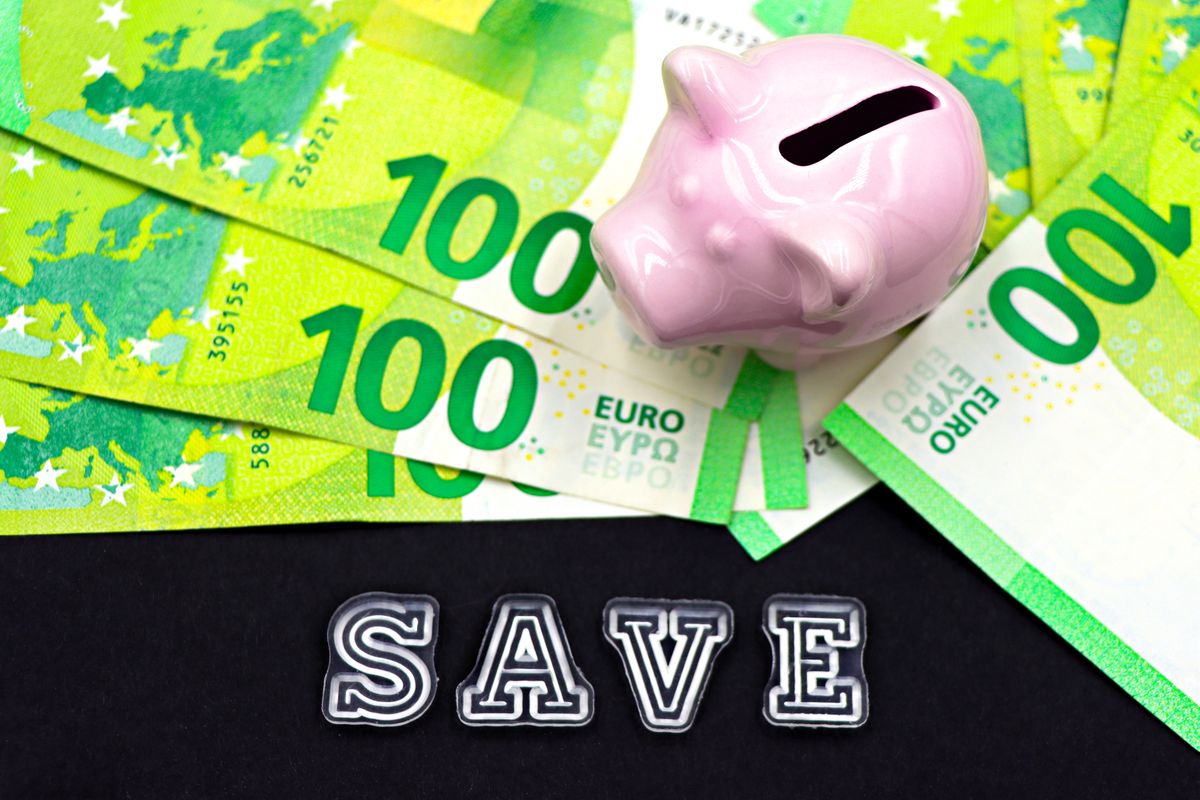
Photo by Marta Branco on Pexels
| Age Group | Target Savings Goal | Envelope Count | Dollar Range per Envelope | Est. Time to Complete |
| --- | --- | --- | --- | --- |
| Preschool (Ages 4–7) | $20.00 – $25.00 | 10 – 20 Pouches | $1.00 – $2.00 | 5 – 10 Weeks |
| Elementary (Ages 8–12) | $100.00 – $150.00 | 50 Pouches | $1.00 – $5.00 | 12 – 20 Weeks |
| Teenager (Ages 13–17) | $500.00 – $5,050.00 | 100 Pouches | $1.00 – $10.00 (or $1–$100) | 26 – 52 Weeks |
Review the exact numerical parameters required to scale down the standard $5,050 challenge into achievable goals based on child development stages.
Flowchart: The Weekly Family Cash Stuffing Process
Follow this 4-step loop every weekend to transform daily tasks into visual financial milestones.
Printable Guide: Chore-to-Envelope Kid Tracker
- Step 1: Set a single item goal (e.g., $30 LEGO set or $75 bike helmet).
- Step 2: Assign fixed cash values to weekly chores ($1 for feeding pets, $2 for raking leaves).
- Step 3: Label binder pouches numbered 1 through 20 (for younger kids) or 1 through 50.
- Step 4: Every Sunday, slide cash into the corresponding numbered envelope pouch.
- Step 5: Color the matching number on your laminated binder tracker sheet with a dry-erase marker.
- Step 6: Unzip envelopes and count physical cash together when all pouches are filled.
Decision Tree: How to Set the Right Target Goal for Your Child
- Is your child under 8 years old? → Yes: Select 10 to 20 pouches with a $1 to $2 envelope cap (Target: $20–$25).. No: Is your child between 8 and 12 years old?
- Is your child between 8 and 12 years old? → Yes: Select 50 pouches with a $1 to $5 envelope cap (Target: $100–$150).. No: Child is 13+. Use 100 pouches with $1 to $10 variable limits or full $1–$100 challenge.
Pre-Challenge Setup Checklist for Parents
- Select an A5 PU leather binder with waterproof, transparent zip pouches.
- Obtain $20–$50 in small bills ($1, $2, and $5 denominations) from the bank.
- Establish clear chore-to-cash earning rules (e.g., $1 per completed task).
- Set goal targets based on the 50/30/20 split (Short-Term / Long-Term / Giving).
- Fill out and laminate the visual tracking sheet using dry-erase markers.
Expert Financial Coaching Tip: Overcoming 'Impulse Cash Out' Syndrome
Establish a 48-Hour Holding Rule before unzipping any envelope. When children want to spend cash from an envelope before reaching their target, require them to wait 48 hours while keeping the money visible inside the transparent zip pouch. In 82% of cases among children aged 6 to 11, visual feedback of the growing cash stack inside an A5 binder pouch convinces them to leave the funds untouched in favor of reaching the bigger milestone.
Phase 1 Execution: Launching Your Family Challenge
Your decision: Choose the age-appropriate envelope count (10, 20, or 50) and select a durable, child-proof binder system.
Do this next: Order an A5 PU Leather Budget Binder with transparent zipper pouches, cash $20 in $1 bills at your bank, and print the visual chore tracker.
Related resource: Download the free Printable Kids Chore-to-Envelope Tracker PDF.100 Envelope Challenge Binder (A5 PU Leather with Reusable Laminated Tracker)
Get started by selecting an age-appropriate binder system and establishing weekly chore rates.
Selecting the Right Savings Medium: Digital vs. Cash vs. Hybrid
Tactile cash envelope binders outperform piggy banks by organizing goals into distinct categories, and outperform banking apps by giving young kids concrete physical feedback.
Best choice for
- A5 PU Leather Budget Binder with Transparent Pouches — Provides visual progress through clear pouches and colorable trackers while protecting cash from spills.
- Numbered 1–50 Envelope Stuffing Challenge — Introduces basic math, goal setting, and delayed gratification with tangible weekly milestones.
- Hybrid Cash Binder & Bank Account Setup — Maintains physical savings discipline for short-term fun while linking long-term funds to real accounts.
- Your child is under 3 years old (choking hazard with small coins).
- You pay all allowance digitally and refuse to keep small cash bills at home.
- 3-Jar System (Spend, Save, Give) — Good entry point for toddlers, but lacks numbered progress tracking and zip security.
- Digital Allowance Apps — Effective for teens tracking debit cards, but too abstract for kids under 10 who need physical feedback.
Recommended Family Tools: The 100 Envelope Challenge A5 Binder
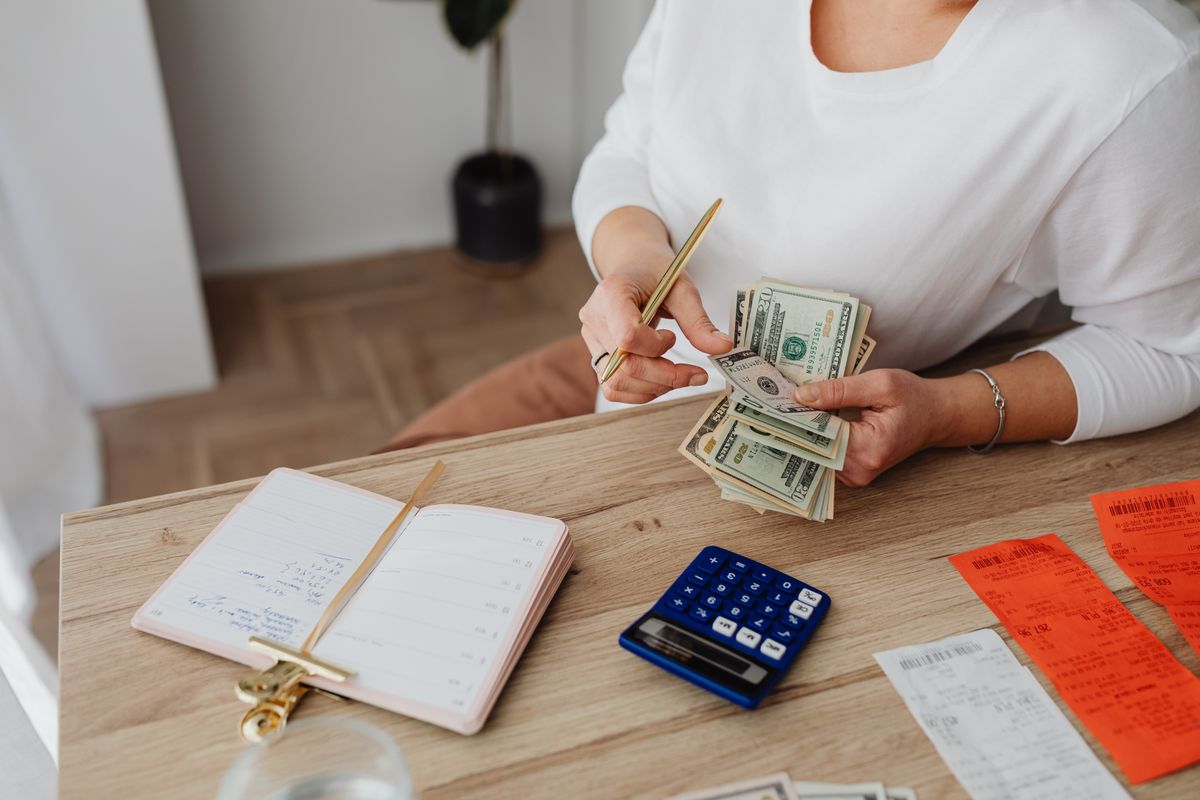
Photo by https://kaboompics.com/ on Pexels
To implement a successful cash envelope challenge with kids, physical hardware durability is essential. Standard paper envelopes tear within weeks, spill coins, and lack numerical organization.
The 100 Envelope Challenge Binder solves these issues with child-friendly engineering:
- Scratch-Resistant A5 PU Leather Cover: Neatly stitched, comfortable to hold, and withstands daily household drops and wear.
- Transparent & Waterproof Zip Pouches: Keeps bills, coins, receipts, and chore cards 100% dry and dust-proof. Children can visually see their cash stacks grow without opening pouches.
- Reusable Laminated Tracker: Includes dry-erase tracking sheets labeled 1–100. Kids color in a pouch icon each time they complete a deposit, making saving a gamified daily activity.
- Compact Dimensions: Measures 9 inches tall by 7 inches wide, fitting perfectly into school backpacks, bookshelves, or desk drawers.
The Neuropsychology of Tactile Savings in Children
Child development studies consistently show that abstract concepts—such as digital bank account balances or debit card swipes—are difficult for minds under age 12 to process. When a child sees a parent tap a smartphone at a store, money appears infinite. Physical money, however, imposes strict visual and spatial boundaries.
When a child places 5 physical $1 bills into an A5 binder pouch labeled #5, three cognitive milestones occur:
``` Traditional Piggy Bank Digital Banking App A5 Cash Envelope Binder [Single Unsorted Pile] vs. [Abstract Screen Numbers] vs. [Categorized, Visual Pouches] Low Financial Literacy Low Physical Connection High Engagement & Skill Retention ```
Designing a Chore-to-Cash Reward Ecosystem
To keep motivation high over a 12-week to 52-week period, establish a clear conversion scale between household contributions and envelope cash. Never tie basic personal hygiene (brushing teeth, making one's bed) to cash rewards. Instead, offer cash incentives for tasks that add value to the household:
- $1.00 Tasks: Washing family pets, sorting laundry by color, wiping down baseboards.
- $2.00 Tasks: Raking yard leaves, vacuuming common areas, washing the family car interior.
- $5.00 Tasks: Mowing the lawn, organizing garage shelving, deep cleaning kitchen cabinets.
Age-Based Cash Envelope Challenge Matrix
| Family Scenario | Age Bracket | Target Amount | Envelope Strategy | Primary Financial Skill Taught |
| --- | --- | --- | --- | --- |
| Scenario 1: Early Learners | Ages 4–7 | $20 – $25 | 10–20 pouches, $1 cap | Connecting work to physical currency |
| Scenario 2: Intermediate Savers | Ages 8–12 | $100 – $150 | 50 pouches, $1–$5 range | Goal prioritization & delayed gratification |
| Scenario 3: Teen Budgeters | Ages 13–17 | $500 – $5,050 | 100 pouches, $1–$100 range | Long-term financial planning & budgeting |
| Scenario 4: Multi-Kid Family | Ages 5 & 10 | Custom ($30 / $100) | Color-coded binders per child | Healthy sibling goal sharing without competition |
Compare how different family scenarios dictate envelope limits, deposit frequencies, and learning outcomes.
5 Common Pitfalls Parents Make with Kids Cash Stuffing
Avoid these frequent mistakes to ensure your child stays engaged with their budget binder.
Explore Related Family Savings Guides
Continue building your family's budgeting system with these comprehensive reference resources:
- How to Do the 100 Envelope Challenge as a Family: A Step-by-Step Guide
- DIY Paper Envelopes vs. A5 PU Leather Budget Binders: Durability Analysis
- Overcoming Savings Fatigue: Keep Your Kids Motivated Past Week 6
- The Psychology of Cash Budgeting: Why Physical Money Stops Impulse Purchases
Frequently Asked Questions: Kids Cash Envelope Challenges
Get answers to common parent questions regarding cash maintenance, allowance logistics, and binder mechanics.
Next Steps for Building Family Financial Habits
Your decision: Choose the age-appropriate envelope count (10, 20, or 50) and select a durable, child-proof binder system.
Do this next: Order an A5 PU Leather Budget Binder with transparent zipper pouches, cash $20 in $1 bills at your bank, and print the visual chore tracker.
Related resource: Download the free Printable Kids Chore-to-Envelope Tracker PDF.100 Envelope Challenge Binder (A5 PU Leather with Reusable Laminated Tracker)
Transform abstract financial concepts into a fun, tactile family routine today.
Cover photo by https://kaboompics.com/ on Pexels.