100 Envelope Challenge vs. Traditional Savings Accounts: Which Is Best for Visual Savers?
Should you save $5,050 using a physical 100 Envelope Challenge Binder or put your cash straight into a bank savings account?
If you struggle with impulse spending when looking at a digital balance, a physical A5 cash envelope binder works best because tactile cash friction curbs spending habit triggers. For short-term goals under $5,000, physical binders deliver significantly higher completion rates. For long-term capital, pair the binder with a High-Yield Savings Account (HYSA) using a hybrid sweep system.
Method Comparison Matrix: Envelope Binder vs. Savings Account
| Savings Scenario / Priority | 100 Envelope Challenge Binder | High-Yield Savings Account (HYSA) | Hybrid Sweep System (Binder + Bank) |
| --- | --- | --- | --- |
| Scenario A: High impulse spending habit with 'out of sight, out of mind' tendencies | Highest Success: Tactile envelope friction prevents accidental card tapping. | High Failure Risk: Digital funds are easily transferred back to checking in seconds. | Strong Success: Physical cash build-up builds initial habit barrier. |
| Scenario B: Teaching children & family tangible money habits | Excellent: Kids can see, count, and physically insert cash into labeled pouches 1-100. | Poor: Abstract numbers on a screen fail to teach concrete value. | Great: Kids manage physical envelopes; parents sweep funds monthly. |
| Scenario C: Maximizing interest yield on reserves over 12+ months | Low: Cash earns zero interest and loses purchasing power to inflation. | Highest Yield: Earns 4.0%–5.0% APY compounded monthly. | Moderate-High Yield: Swept milestone funds earn full APY in bank. |
| Scenario D: Physical security against theft or fire damage at home | Requires Precaution: Must be stored in a fireproof home safe. | Maximum Security: FDIC-insured up to $250,000 against loss. | High Security: Cash stays in home binder only until $500 milestone. |
Here is how physical cash stuffing in a binder compares to digital bank accounts and hybrid systems across real-world spending and savings scenarios.
Pros & Cons Breakdown: Tactile Friction vs. Digital Yield
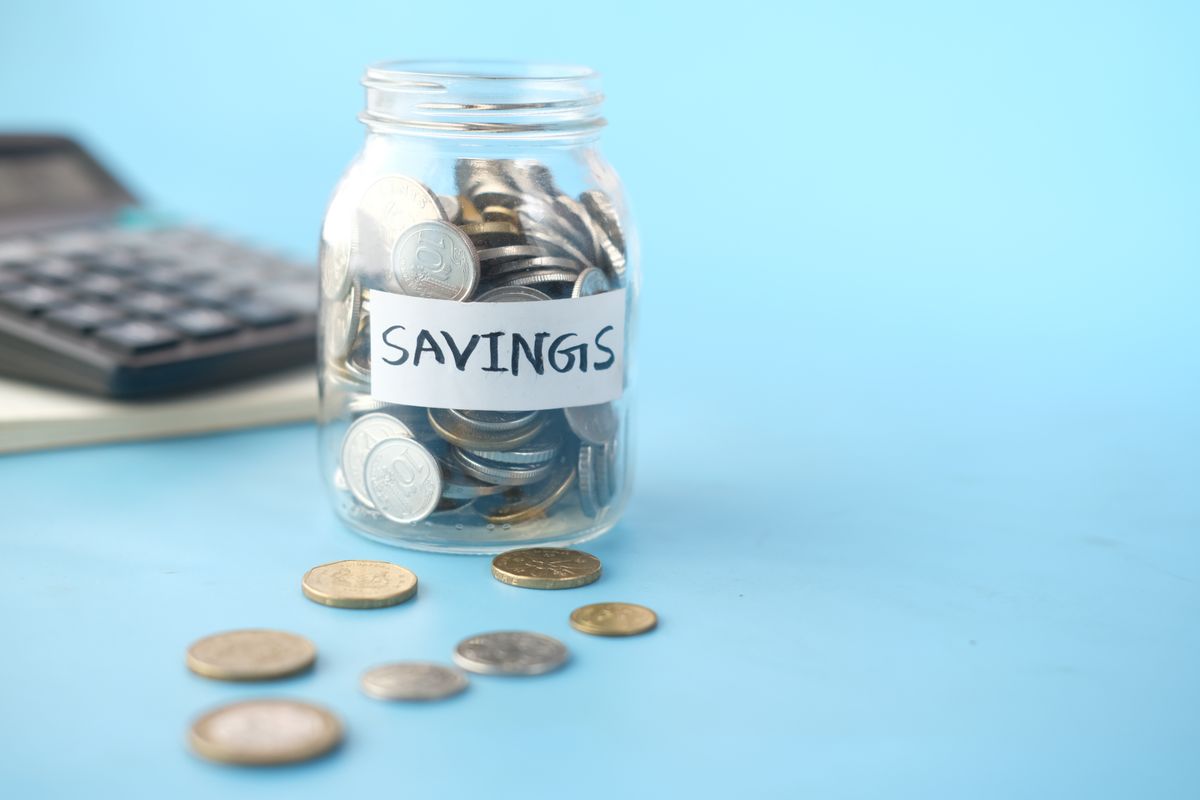
Photo by Towfiqu barbhuiya on Pexels
Pros
- Physical envelope friction makes spending cash painful, reducing impulse purchases by up to 30%.
- Visual tracker coloring releases instant dopamine, boosting habit adherence for short-term goals.
- A5 PU leather binders neatly organize 100 numbered cash envelopes into a scratch-resistant, durable book.
- Transparent, waterproof cash envelopes protect stored bills, receipts, and coins from spill damage.
- Physical Cash Risk: Storing over $5,000 at home carries theft or fire hazard without a secure safe.
- Zero APY: Money resting in envelopes does not earn compound interest like an bank account.
- Digital Transfer Friction: Sweeping funds into an online account requires extra manual banking steps.
- Digital Vulnerability: Easy mobile banking transfers make it tempting to raid digital savings buckets.
Expert Coach Tip: Bridging Behavioral Psychology & Financial Yield
> Behavioral Budgeting Insight: Digital bank accounts create cognitive distance. When you swipe a plastic card or tap a phone screen, your brain does not register the pain of losing money the way it does when physically handing over paper bills. If you keep quitting digital savings plans, start physically: stuff the envelopes for 30 days to build habit discipline, then sweep cash into your bank once you hit $500 markers.
Interactive Tool Brief: Savings Personality & Method Evaluator
Use this behavioral evaluation tool concept to determine whether physical cash, a digital account, or a hybrid system fits your psychology.
Key Takeaways: Visual Motivation vs. Interest Accumulation
Here is what you need to remember when deciding between cash envelopes and bank accounts:
Decision Framework: Which System Matches Your Goals?
Visual and tactile savers achieve dramatically higher goal completion rates for short-term targets under $5,000 using physical envelope binders. For long-term capital accumulation, digital accounts or hybrid sweep workflows are superior.
Best choice for
- 100 Envelope Challenge Binder — Tangible progress tracking, waterproof pouch protection, and cash spending friction.
- High-Yield Savings Account (HYSA) — Provides interest growth and FDIC protection without home loss risk.
- Hybrid Sweep System — Combines tactile habit creation in the binder with high-yield interest security in the bank.
- You live in an unsecured household where physical cash cannot be safely stored.
- You regularly pull cash back out of envelopes for impulsive everyday purchases.
- You are managing multi-year investments where compounding interest is the primary goal.
- Digital Bank Sub-Accounts — Provides labeled sub-buckets inside banking apps, though lacks physical spending friction.
- 52-Week Challenge Binder — Uses physical cash envelopes but scales savings incrementally over an entire year.
Recommended Tool: The 100 Envelope Challenge Binder
Ready to build savings momentum with real tactile organization? The standard A5 Budget Binder makes setting aside up to $5,050 clear, satisfying, and protected.
- Durable Construction: A5 PU leather cover is scratch-resistant, neatly stitched, and built to handle daily use.
- Heavy-Duty Pouches: Transparent, waterproof cash envelopes keep bills, coins, and receipts safe from dust and spills.
- Complete System: Includes labeled pouches 1-100 and a laminated, reusable dry-erase tracker card.
Real-World Failure Modes & Success Scenarios
Failure Mode 1: The 'Out-of-Sight, Out-of-Mind' Digital Dip — You set up a digital savings bucket for $5,000, but because online transfers take two clicks, you repeatedly transfer $50 back to checking for weekend dinners. Fix: Switch to the 100 Envelope Challenge Binder. Forcing yourself to physically visit an ATM or open a binder creates physical spending friction that halts impulse spending.
Failure Mode 2: The 'Cash Raider' Home Temptation — You fill envelopes with cash up to $2,000, but keep taking $20 bills out for pizza delivery. Fix: Adopt the Hybrid Sweep Method. Keep your binder and color your tracker, but every time your cash total hits $500, deposit that cash into your HYSA while leaving the tracker colored in.
Failure Mode 3: Disengaged Family Financial Planning — Parents try to explain bank account interest to children, but kids remain unmotivated by spreadsheet rows. Fix: Use an A5 PU Leather Budget Binder for family savings goals. Kids can count paper bills, insert cash into waterproof numbered pouches, and mark off numbers on the laminated tracker.
Here is how common budgeting failure patterns occur across different environments and how to fix them using structured tools.
For millions of household budgeters, traditional banking apps fail to instil long-term saving discipline. Digital balances present abstract numbers on a screen. When you tap a debit card or execute a 1-click online payment, your nervous system experiences no immediate loss. Behavioral economists call this the decoupling effect—the mental separation between the joy of buying and the pain of paying.
Tactile Feedback and Dopamine Reinforcement
The 100 Envelope Challenge Binder remedies this psychological disconnect. By assigning physical cash to transparent, waterproof pouches labeled 1 through 100, money becomes concrete. Filling envelope #45 with $45 in cash requires deliberate physical effort. When you subsequently shade in box #45 on the included laminated reusable tracker, your brain receives a clean visual feedback signal.
This tactile interaction triggers dopamine release linked to goal achievement. Rather than feeling deprived, saving becomes an engaging game for adults and children alike.
The Math of Interest vs. Habit Compliance
A common critique of physical cash stuffing is missed interest yield. Let's analyze the math realistically:
- 100 Envelope Challenge Target: $5,050 saved across 26 weeks.
- HYSA Earnings at 4.5% APY (6-Month Average Balance): Approximately $55 to $110 in interest.
- Impulse Spending Prevention: If physical envelope friction prevents just two $60 impulse dining out expenses or online shopping orders per month, you save $360 over six months.
Implementing the 4-Step Hybrid Sweep System
You do not have to choose between tactile motivation and bank account safety. The Hybrid Sweep System delivers both:
Frequently Asked Questions
Common questions regarding physical envelope binders, safety, interest rates, and hybrid budgeting workflows.
Next Steps: Action Plan for Your Preferred Savings Method
Your decision: Determine whether your main budgeting obstacle is lack of visual momentum (choose the Binder) or concern over physical home security (choose the Hybrid Sweep System).
Do this next: Order an A5 PU Leather 100 Envelope Challenge Binder with waterproof pouches and a laminated tracker to establish spending friction.
- Read next: 100 Envelope Challenge Math Breakdown & FAQs
- Read next: How to Do the 100 Envelope Challenge as a Family
100 Envelope Challenge Binder (A5 PU Leather Binder with labeled 1-100 waterproof envelopes and reusable tracker).
Follow this step-by-step roadmap to start your savings challenge today.