
Cash Envelopes vs. Digital Savings Apps for Vacation Sinking Funds: Which Saves Your Trip Faster?
Should you save for your dream trip using physical cash envelopes in a budget binder or a digital savings app?
The Verdict: Use physical cash envelopes in an A5 budget binder if digital impulse shopping repeatedly raids your travel balance. The tangible friction of physical bills creates a powerful psychological barrier against accidental overspending. However, for multi-thousand-dollar trips requiring online flight and hotel reservations, the Hybrid Vacation Workflow is best: stuff physical cash into a binder during the accumulation phase to enforce discipline, then deposit the accumulated cash into your bank account 10 to 14 days before booking online.
Cash Envelopes vs. Digital Savings Apps Feature Matrix
| Travel Saving Scenario | Physical Cash Envelope Binder | Digital Savings App | Hybrid Vacation Workflow |
| --- | --- | --- | --- |
| Preventing Daily Impulse Raids | High Protection: Money is physically locked at home, preventing online impulse transfers. | Low Protection: A quick mobile swipe easily moves funds back to checking for instant purchases. | High Protection: Funds stay in physical cash until the final deposit window before booking. |
| Online Flight & Hotel Booking | Low Convenience: Requires a trip to the bank teller or ATM prior to online checkout. | High Convenience: Instant debit card checkout or electronic transfer directly on booking sites. | High Convenience: Cash is deposited 14 days early, giving you full card booking convenience. |
| Family & Child Financial Literacy | Exceptional: Kids physically touch bills, color in visual trackers, and see real accumulation. | Minimal: Digital numbers on a phone screen are abstract and hard for children to conceptualize. | Exceptional: Whole family stuff cash weekly, then celebrates together when depositing for trip. |
| Earning APY / Interest | None: Cash stored in envelopes at home earns 0% APY. | Moderate to High: High-Yield Savings Accounts (HYSA) yield interest on parked funds. | Partial: Cash can be deposited into a HYSA during longer intermediate holding phases. |
| Setup & Daily Management Friction | Low Tech Friction: Simply slide bills into transparent, numbered waterproof pouches. | Variable: Requires app pairing, bank connection, verification, and passcode maintenance. | Balanced: Combines tactile binder stuffing with a single scheduled bank deposit. |
Here is how physical cash envelope binders, digital savings app sub-accounts, and the hybrid workflow compare across real-world travel planning scenarios:
The Real Trade-Offs: Physical Stuffing vs. Digital Buckets

Photo by https://kaboompics.com/ on Pexels
Pros
- Physical envelope binders block impulse spending triggers completely.
- Visual trackers keep motivation high for multi-month targets like the $5,050 challenge.
- Teaches kids tangible money management concepts through physical cash handling.
- Transparent waterproof A5 pouches protect cash, coins, and travel receipts.
- Physical cash does not generate annual interest yield.
- Requires a planned bank deposit before online flight checkout.
Where Digital Savings Apps Fail
Digital savings buckets fail most often due to zero transaction friction. When a surprise dinner bill or midnight online sale happens, moving $100 out of a digital 'Vacation Sinking Fund' bucket into your checking account takes under five seconds. Because you cannot feel the physical loss of money, your brain treats digital numbers as fluid spending money rather than a locked vacation commitment.Where Pure Cash Envelope Binders Fail
Pure cash stuffing fails when it encounters modern digital commerce. Trying to book flight tickets, rental cars, or boutique resort stays with physical cash is practically impossible. If you wait until the last minute to deposit loose cash into your checking account, you risk cash deposit delays or hold periods right as airfare prices surge.Physical Budget Binder Pros & Cons
- Pros: Complete protection against digital impulse purchases; visual milestone tracking; interactive fun for family savings goals.
- Cons: No interest earned; requires a manual bank deposit step before purchasing travel online.
Digital Savings App Pros & Cons
- Pros: Automated recurring transfers; yield from high-yield interest rates; instant online checkout capabilities.
- Cons: Extremely vulnerable to impulse raids; abstract tracking lacks psychological motivation.
The Winner for Travel Sinking Funds: The Hybrid Vacation Workflow
For 90% of vacation planners, the Hybrid Vacation Workflow delivers the ultimate combination of behavioral discipline and modern booking convenience.
By using an A5 Budget Binder with 1-100 numbered cash envelopes, you build a physical fortress around your getaway fund during the 6 to 12 months leading up to your trip. Once your laminated tracker shows you have reached your target (such as $5,050), you bundle your cash and deposit it into your checking account two weeks before making online travel reservations.
Ready to build your vacation fund without digital impulse leaks? Get the 100 Envelope Challenge A5 Budget Binder at envelopeschallenge.com to start stuffing cash with durable, waterproof pouches and a reusable tracking grid!
Vacation Sinking Fund Method Selector
Use this decision tool brief to identify whether a physical binder, a digital savings app, or a hybrid model fits your upcoming travel goal and spending habits.
Where Travel Sinking Funds Fail (And How to Avoid It)
Avoid these critical missteps when saving for your next getaway:
Sinking Fund Decision Tree: Which Method Fits Your Trip?
- Do you routinely raid your digital savings accounts for daily impulse purchases? → Yes: Go to physical cash binder or hybrid method.. No: Go to timeline evaluation.
- Is your trip target date less than 12 months away? → Yes: Choose the 100 Envelope Challenge A5 Budget Binder (Physical or Hybrid).. No: Consider a High-Yield Savings Account (HYSA) with app tracking.
- Will you need to book flights, hotels, or rental cars online using a debit or credit card? → Yes: Use the Hybrid Vacation Workflow: Save cash in binder, then deposit 14 days prior to booking.. No: Use pure cash envelope stuffing and pay cash directly at your destination.
Your Action Plan to Start Saving for Your Next Getaway
Your decision: Choose the Hybrid Vacation Workflow to pair the impulse-stopping power of cash binders with the online booking convenience of debit/credit cards.
Do this next: Order your A5 Budget Binder with labeled 1-100 envelopes, set your trip budget goal, and commit to weekly cash stuffing.
- Read next: How to Build a Vacation Sinking Fund Using the 100 Envelope Challenge
- Read next: How to Set Up Your A5 Budget Binder for Cash Envelope Success
100 Envelope Challenge A5 Budget Binder in PU Leather with transparent cash pouches and reusable tracker.
Follow these simple steps to start turning loose cash into your dream vacation budget:
Key Takeaways for Vacation Sinking Fund Success
- Physical cash stuffing removes digital temptation and stops daily budget leaks.
- Laminated trackers make saving interactive and rewarding for both individuals and families.
- Depositing physical savings into your bank account 10–14 days before booking enables smooth online checkout.
- An A5 PU leather binder with waterproof transparent pouches protects cash and receipts.
- Psychological Shield: Physical cash stuffing removes digital temptation and stops daily budget leaks.
- Visual Goal Engagement: Laminated trackers make saving interactive and rewarding for both individuals and families.
- Seamless Online Booking: Depositing physical savings into your checking account 10–14 days before booking bridges the gap between cash discipline and online travel checkout.
- Durable Organization: An A5 scratch-resistant PU leather binder with waterproof, transparent zip pouches protects cash and receipts from dust and spills.
Decision Framework: Matching Your Personality to Your Method
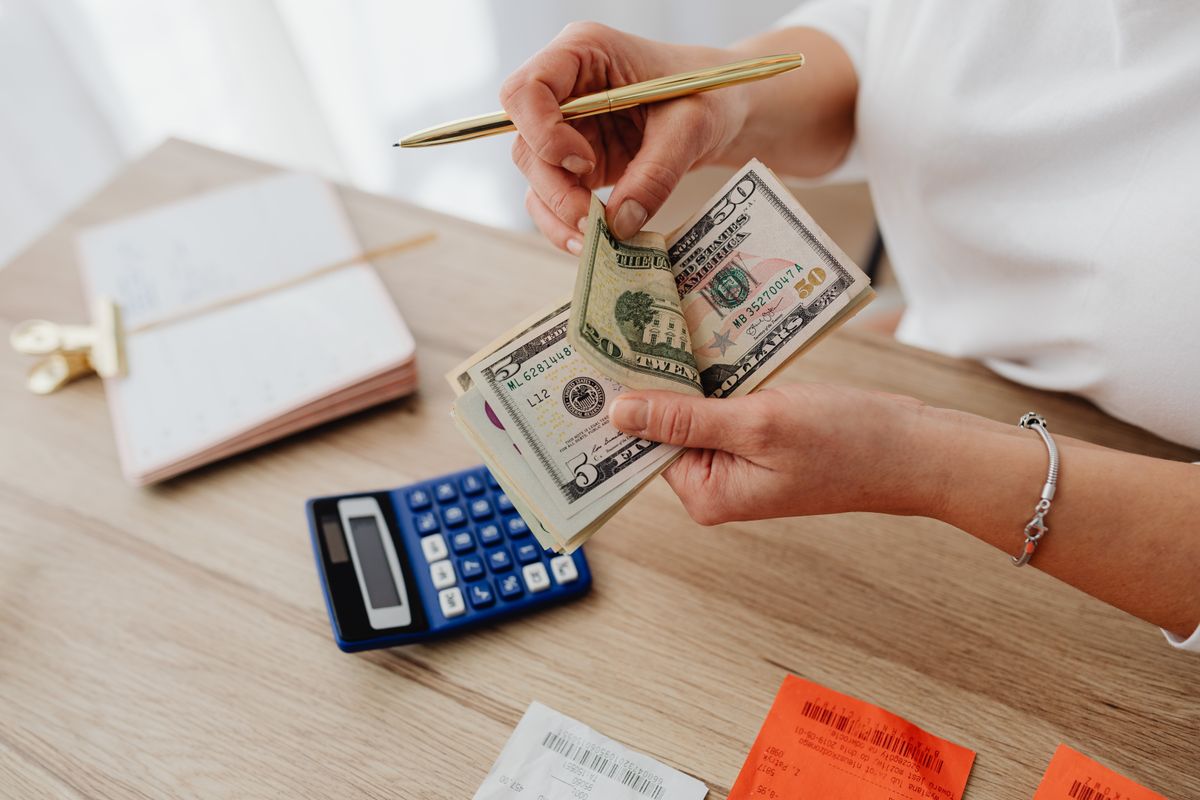
Photo by https://kaboompics.com/ on Pexels
Selecting between cash envelopes, apps, or a hybrid model depends heavily on your impulse spending habits and how you plan to make final travel payments.
Best choice for
- 100 Envelope Challenge A5 Cash Binder — Physical cash creates tangible friction that halts accidental spending.
- Hybrid Vacation Workflow — Provides fun, hands-on stuffing for kids while supporting bank deposits for online bookings.
- Digital High-Yield Savings App — Allows compounding interest earnings over extended timelines.
- Avoid pure digital apps if you frequently move money from savings to checking for impulse buys.
- Avoid keeping pure cash at home without a fireproof safe or locked binder setup.
- Prepaid Travel Card Hybrid — Deposit cash weekly directly into a locked prepaid card that cannot be accessed by daily checking apps.
Recommended Tool: 100 Envelope Challenge A5 Budget Binder System
Take control of your travel savings with the ultimate hands-on budgeting tool. Designed to make saving fun and organized for the entire family.
- Durable Construction: A5 size binder (9" H x 7" W) crafted from scratch-resistant, neatly stitched PU leather that feels great in hand.
- Waterproof Cash Envelopes: Transparent zip pouches protect cash, coins, bills, and receipts from water, dust, and wear.
- Complete 1-100 System: Comes pre-packaged with pouches labeled 1 through 100 to save up to $5,050 using the traditional envelope challenge.
- Reusable Tracker: Includes a laminated grid tracker that lets you mark progress with dry-erase markers and reuse the system for future trips.
Real-World Travel Scenarios: Weekend Getaway vs. International Trip
Scenario A: $800 Weekend Road Trip (3 Months Away) — Pure Cash Binder or Short-Term Hybrid. Stuff 20 to 30 custom envelopes over 12 weeks. Use cash directly for gas, dining, and park entry fees, or deposit cash 1 week before booking a cabin rental online.
Scenario B: $5,050 Disney or Overseas Family Vacation (12 Months Away) — Full 100 Envelope Challenge Hybrid Strategy. Complete the 1-100 binder challenge over 52 weeks. Involve children by letting them pick numbers weekly and color the laminated tracker. Deposit the $5,050 balance into your checking account 14 days before buying flights and resort passes.
See how different savings methods perform across specific trip scales:
Why do physical cash budget binders consistently outperform digital budgeting apps for people who struggle with impulse spending?
The answer lies in behavioral economics and what researchers call the 'Pain of Paying.' When you spend digital money via a credit card swipe or a mobile app transfer, your brain registers minimal neural friction. Digital dollars feel abstract—like points in a video game. As a result, moving $50 from a digital 'Vacation Savings' bucket to fund an online shopping cart feels painless in the moment.
In contrast, physically taking five $20 bills out of a labeled, transparent zip pouch in an A5 binder forces your brain to register an immediate loss. You physically see your vacation pile shrink, and you have to manually erase your progress on a laminated tracker. This tactile feedback creates a high barrier against impulse buys, effectively locking your vacation funds away from daily temptations.
Involving the Whole Family in Financial Literacy
Saving for a family trip shouldn't happen behind closed doors on a smartphone screen. An A5 Budget Binder turns saving into a shared visual game. Children can physically hold bills, count currency, zip cash into labeled pouches, and color in the numbered squares on the reusable tracker grid. This teaches kids crucial financial concepts—delayed gratification, goal setting, and budgeting—while actively funding an unforgettable family getaway.Explore Related Vacation Budgeting Guides
Deepen your budgeting knowledge with these recommended topics:
- How to Build a Vacation Sinking Fund Using the 100 Envelope Challenge — A step-by-step guide to calculating trip budgets and allocating weekly cash envelope deposits.
- How to Set Up Your A5 Budget Binder for Cash Envelope Success — Customizing binder pouches, organizing categories, and maintaining laminated trackers.
- Teaching Kids to Save: Using Budget Binders for Family Financial Literacy — Engaging children in family savings challenges and goal setting.
Frequently Asked Questions About Travel Sinking Funds
Got questions about managing cash envelopes for your upcoming trip? Here are expert answers to common logistical challenges:
Final Summary & Next Steps
Your decision: Adopt the Hybrid Vacation Workflow using an A5 Budget Binder for saving discipline and bank deposits for online booking ease.
Do this next: Pick your travel target amount, get your A5 Budget Binder from envelopeschallenge.com, and start stuffing cash weekly!
- Read next: How to Build a Vacation Sinking Fund Using the 100 Envelope Challenge
100 Envelope Challenge A5 Budget Binder System
Don't let digital impulse leaks stand between you and your dream trip. Take control of your travel fund today with a hands-on budget binder system that makes saving fun, visible, and achievable.
Cover photo by https://kaboompics.com/ on Pexels.