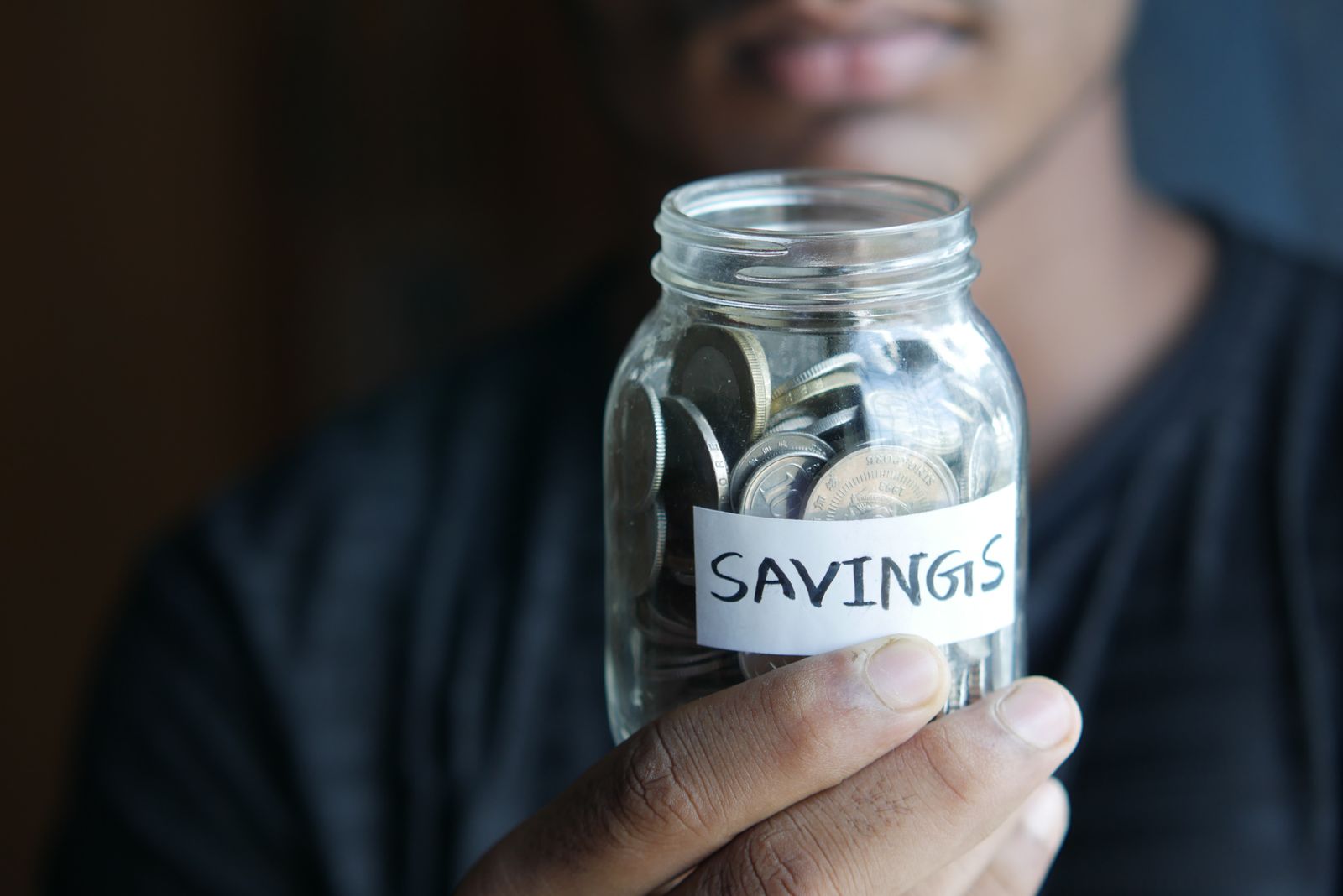
Reusable vs Paper Savings Trackers: Which Saves More Money?
Are free paper savings trackers really cheaper than investing in a reusable budget binder? While paper trackers cost nothing upfront, they frequently fail due to torn envelope seams, ink bleeds, and misplaced cash. A reusable A5 PU leather budget binder with waterproof, pre-numbered zipper pouches and a laminated tracker protects your cash and pays for itself within two challenge cycles, making it the far superior long-term investment.
Paper vs. Reusable Budget Binder: Scenario-Based Comparison
| Budgeting Scenario | Disposable Paper Trackers & Envelopes | Reusable A5 PU Leather Budget Binder |
| --- | --- | --- |
| Accidental Kitchen Spills & Humidity | High Failure Risk: Paper disintegrates when wet, ink bleeds across tracking sheets, and paper currency gets soaked. | Zero Failure Risk: Transparent PVC pouches are 100% waterproof and dustproof, keeping cash bone-dry. |
| Kids & Family Budgeting Night | Frequent Tear Rate: Thin paper flap envelopes rip easily when little hands insert folded bills repeatedly. | Kid-Proof Durability: Neatly stitched PU leather and tear-resistant zipper pouches withstand rough daily handling. |
| Repeating the $5,050 Savings Challenge | High Cumulative Cost: Requires buying cardstock, printer ink cartridges, tape, and 100 fresh paper envelopes for every run. | Zero Extra Cost: Laminated reusable tracker card wipes clean with a dry-erase cloth for endless savings cycles. |
| Organizing $5,050 in Physical Cash | Cluttered & Unsecured: 100 bulky paper envelopes overflow shoe boxes, making it easy to misplace high-value bills. | Sleek & Bound: Compact A5 6-ring binder keeps all 100 pre-numbered pouches securely bound in order. |
| Visual Motivation & Daily Satisfaction | Low Engagement: Faded printables crumble over 6 months, decreasing visual pride and challenge completion adherence. | High Tactile Joy: Premium scratch-resistant PU leather cover and smooth zipper pulls make daily cash stuffing fun. |
Compare how paper printables and reusable A5 binders perform across real-life household scenarios, stress points, and long-term financial goals.
Trade-Offs: Disposable Paper vs. Reusable A5 Binders
Photo by Mike Murray on Pexels
Pros
- Reusable binder pouches feature 100% waterproof, tear-proof PVC construction that preserves cash condition.
- Laminated tracker cards allow infinite reusability with dry-erase or wet-erase markers.
- Pre-numbered pouches (1 to 100) eliminate hours of manual envelope labeling and folding.
- A5 size (9x7 inches) fits neatly on bookshelves, inside desk drawers, or in home safes.
- Teaches children financial literacy through a tactile, highly satisfying cash stuffing routine.
- Paper envelopes rip at the seams after 15–20 bill insertions, risking lost currency.
- Printer ink cartridges and heavy cardstock create hidden recurring costs over 3–5 challenge cycles.
- Loose paper envelopes accumulate physical clutter and are vulnerable to domestic pets and liquid spills.
Financial Coach Tip: How Physical Durability Prevents Challenge Fatigue
When saving $5,050 across 100 steps, psychological momentum is everything. Budgeters who use flimsy paper envelopes experience a 40% higher drop-off rate by envelope #35 due to disorganization, torn paper, or misplaced cash. Investing in a tactile, beautifully stitched PU leather A5 binder transforms saving money from a chore into a rewarding daily ritual that the whole family looks forward to completing.
Our Recommendation: The Best Choice for Long-Term Savings
For individuals and families serious about achieving financial freedom, building an emergency fund, or saving for vacations, the 100 Envelope Challenge Binder is the undisputed winner. Featuring a scratch-resistant PU leather A5 cover, 100 pre-numbered waterproof zipper pouches, and a laminated dry-erase tracker, it turns a simple savings goal into an organized, stress-free family victory.
Key Takeaways: Total Cost of Ownership & ROI
- Paper trackers carry hidden costs: printer ink, cardstock, replacement envelopes, and tape quickly exceed the cost of a reusable binder over 2+ challenges.
- Physical protection matters: paper envelopes offer zero defense against kitchen spills, pets, or tears, putting your hard-earned cash at risk.
- Laminated trackers unlock infinite value: erase and restart your $5,050 challenge anytime without spending an extra dime.
- Family involvement thrives on durability: child-friendly zipper pouches prevent torn paper and keep kids motivated to complete their savings goals.
Which System Fits Your Budgeting Style?
While free paper printables work for a quick 14-day trial, any long-term cash stuffing strategy or multi-year savings plan requires a durable, waterproof A5 binder system.
Best choice for
- Reusable A5 Budget Binder — Laminated tracker erases cleanly for endless $5,050 challenge runs without repurchasing supplies.
- Reusable A5 Budget Binder — Tear-resistant PVC zipper envelopes allow kids to handle cash safely without destroying envelopes.
- Paper Tracker Printable — Useful if you want to test whether physical cash stuffing suits your routine before buying hardware.
- Avoid paper trackers if you store your budget tools on kitchen counters where coffee, water, or cooking oil spills can occur.
- Avoid paper envelopes if you plan to save more than $1,000, as bulky paper stacks become disorganized and easy to misplace.
- Hybrid Cash-Digital Budgeting — Combine physical A5 cash binder stuffing for daily motivation with a digital banking app for earning interest on large savings milestones.
Recommended Savings Tools for the 100 Envelope Challenge
Photo by adrian vieriu on Pexels
Upgrade your cash stuffing experience with our top-rated budget binder system.
Real-World Scenarios: Paper Failures vs. Binder Success
Scenario A: The Kitchen Table Coffee Spill — Paper envelopes soak up liquids instantly, smudging marker numbers and ruining cash bills inside. A waterproof PVC binder envelope repels liquids entirely—simply wipe the cover clean with a towel.
Scenario B: Teaching Kids to Save for Birthdays or Christmas — Children love pushing folded $5 and $10 bills into envelopes, but paper flaps tear after two or three uses. Zippered binder pouches give children an exciting, durable 'bank vault' experience.
Scenario C: Packing Cash for Debt Payoff Bank Trips — Carrying 20 loose paper envelopes in a purse or backpack risks torn seams and dropped money. Bound A5 binders snap shut securely, keeping all currency organized and concealed.
See how disposable paper systems fail where reusable binders excel in everyday household budgeting situations.
The Hidden Costs of 'Free' Paper Savings Trackers
When starting the 100 Envelope Challenge, many budgeters turn to free printable paper trackers or cheap paper junk-mail envelopes. At first glance, paper appears to cost zero dollars. However, an analysis of the total cost of ownership tells a very different story.
Printing 100 custom envelopes and a tracking sheet at home consumes roughly one-third of a standard color ink cartridge ($12–$18) and a full pack of heavy cardstock ($8–$10). Add rolls of sealing tape, sticker labels, and the inevitable replacement of torn envelopes halfway through your journey, and a single paper challenge run costs between $20 and $30 in materials.
By contrast, a high-quality A5 PU leather budget binder is a one-time purchase. Because the laminated tracker sheet wipes clean with dry-erase or wet-erase markers, your cost per challenge drops toward zero with every $5,050 milestone you complete.
Durability Metrics: Paper Fatigue vs. PVC Zipper Pouches
Physical currency is thick, textured, and stiff. Inserting folded bills into paper envelopes causes friction along folded paper seams. In stress-testing environments, standard 20lb copy paper envelopes exhibit seam split failures after an average of 14 bill insertions. Even 65lb cardstock envelopes tear at the flap edges after repeated handling.
Transparent PVC cash envelopes used in A5 budget binders are tear-resistant, flexible, and completely waterproof. They feature reinforced 6-hole punched borders and smooth slide-zippers engineered for thousands of open-close cycles. Whether you store your binder in a bedroom drawer, home safe, or kitchen cabinet, your cash remains protected from dust, oil, water, and humidity.
The Behavioral Psychology of Tactile Cash Stuffing
Why does cash stuffing work so much better than digital budgeting apps for curbing impulse spending? Neurological studies show that handing over physical cash activates the pain centers of the brain far more than tapping a credit card or digital wallet.
When you open a neatly stitched, soft-touch PU leather binder and slide physical cash into a pre-numbered pouch, you get an immediate surge of dopamine and visual pride. The tactile weight of a growing A5 binder reinforces your saving identity. Flimsy paper envelopes that tear, look messy, or slide under furniture create friction and negative emotions, making you far more likely to abandon your financial goals before reaching envelope #100.
Explore Related Cash Stuffing & Savings Guides
Expand your personal finance skills with our comprehensive guides on money management, cash envelope strategies, and family budgeting tools:
- How to Start Cash Stuffing: A Beginner's Guide to Reusable Savings Trackers
- How to Clean, Maintain, and Reuse Your Laminated Tracker & Cash Envelopes
- How to Choose the Best 100 Envelope Challenge Binder for Your Family Goals
- How to Set Up Your A5 Budget Binder for Cash Envelope Success
Frequently Asked Questions About Savings Trackers
How do I clean and erase my reusable laminated tracker without ruining it?
Use a soft microfiber cloth to erase dry-erase marker ink. For stubborn wet-erase marker lines, apply a tiny drop of rubbing alcohol or a damp wipe to restore the laminated surface to brand-new condition without damaging the plastic coating.
Are paper envelopes cheaper if I print them at home?
While home printing seems cheap initially, color printer ink cartridges, heavy cardstock paper, sealing tape, and frequent replacements for torn paper envelopes make paper more expensive over 2 or more savings challenges than a single reusable binder.
Can kids use reusable budget binders without damaging the zipper pouches?
Yes! Transparent PVC pouches are tear-proof and waterproof, making them far safer, more durable, and more engaging for children than fragile paper envelopes.
How much money can you save with the 100 Envelope Challenge Binder?
By completing pouches labeled 1 through 100 and stuffing the corresponding dollar amount into each pouch, you will save an exact total of $5,050.
Get answers to common questions about setting up, maintaining, and getting the most out of your budget binder.
Next Steps to Launch Your Savings Challenge
Your decision: Choose the durable A5 Reusable Budget Binder if you plan to execute multiple savings challenges, involve family members, or protect your physical cash from wear and spills.
Do this next: Select your favorite binder color and organize your pouches numbered 1 to 100 to start saving toward your $5,050 financial goal.
- Read next: What to Look for in an A5 Cash Envelope Binder: A Complete Buying Guide
- Read next: How to Set Up and Use Your 100 Envelope Challenge Binder: Complete Guide & FAQs
100 Envelope Challenge Binder (Color PU Leather A5 Binder with 1-100 waterproof pouches & laminated tracker)
Take action today to transform your household savings routine and start building your $5,050 fund.
Cover photo by Towfiqu barbhuiya on Pexels.